
The Community Foundation Conducted a Study on the Status of IDPs in Dubno
The war in Ukraine has changed the lives of many—not only those living in occupied territories or active combat zones but also those in the rear. Many people, internally displaced persons (IDPs), have arrived in Dubno and faced various challenges and difficulties. This was discussed on July 21 during consultative meetings.
The Dubno Community Foundation organized an event titled “Study on the Status of IDPs in Dubno.” The meetings were moderated by Oleksandra Hlyzhynska, Executive Director of the Republic Institute, and Vitalii Hlyzhynskyi, Coordinator of the “Active Community” network.
“Public opinion research activities, conducted through focus groups to study the challenges of IDPs, were planned within the Global Fund for Community Foundations project framework. The work carried out will be summarized, and the results will be presented to the public to address the challenges raised, with the participation of local authorities, charitable and civil society organizations, and donor organizations,” says Mykola Mandziuk, head of the Dubno Community Foundation.
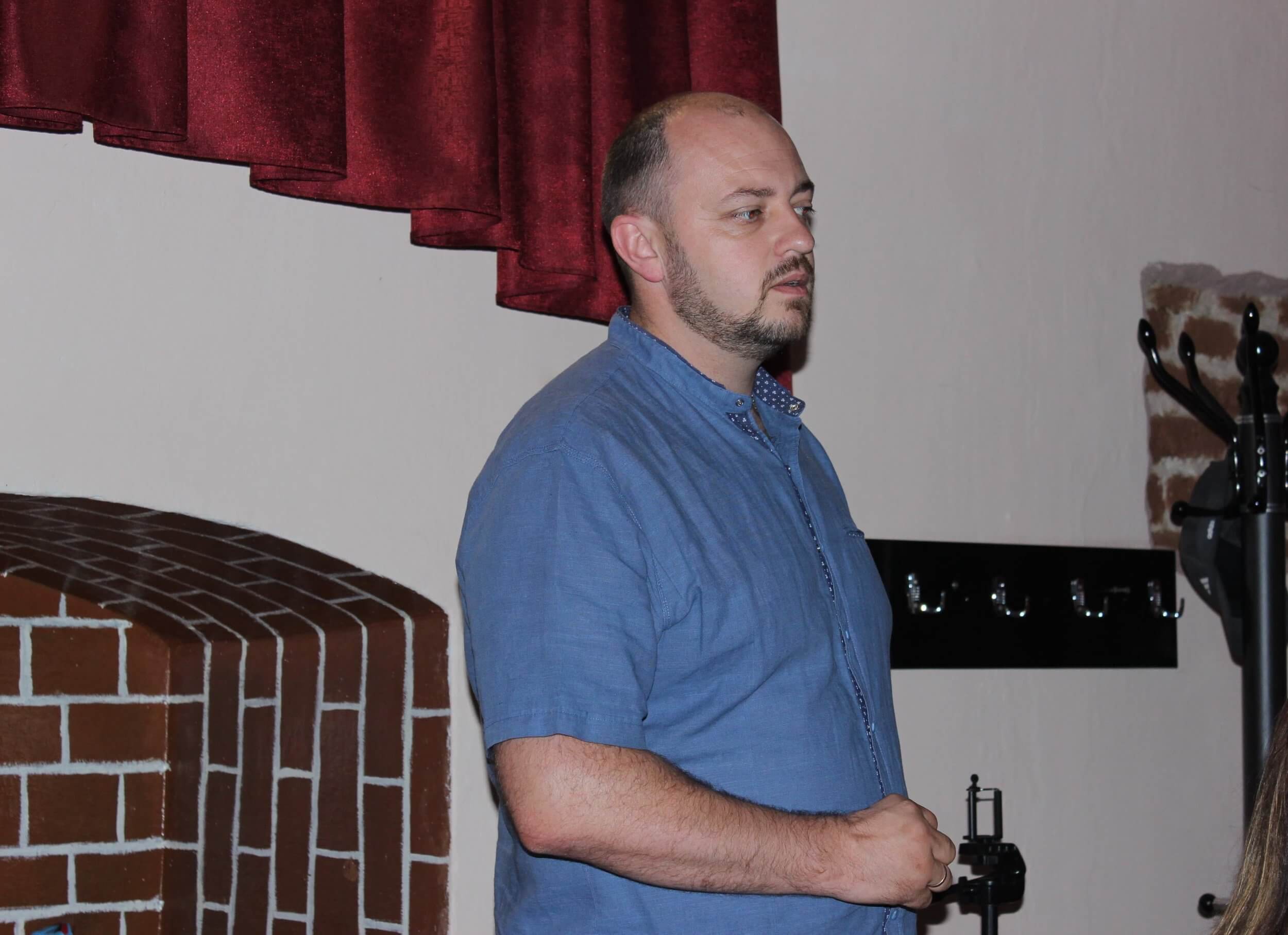
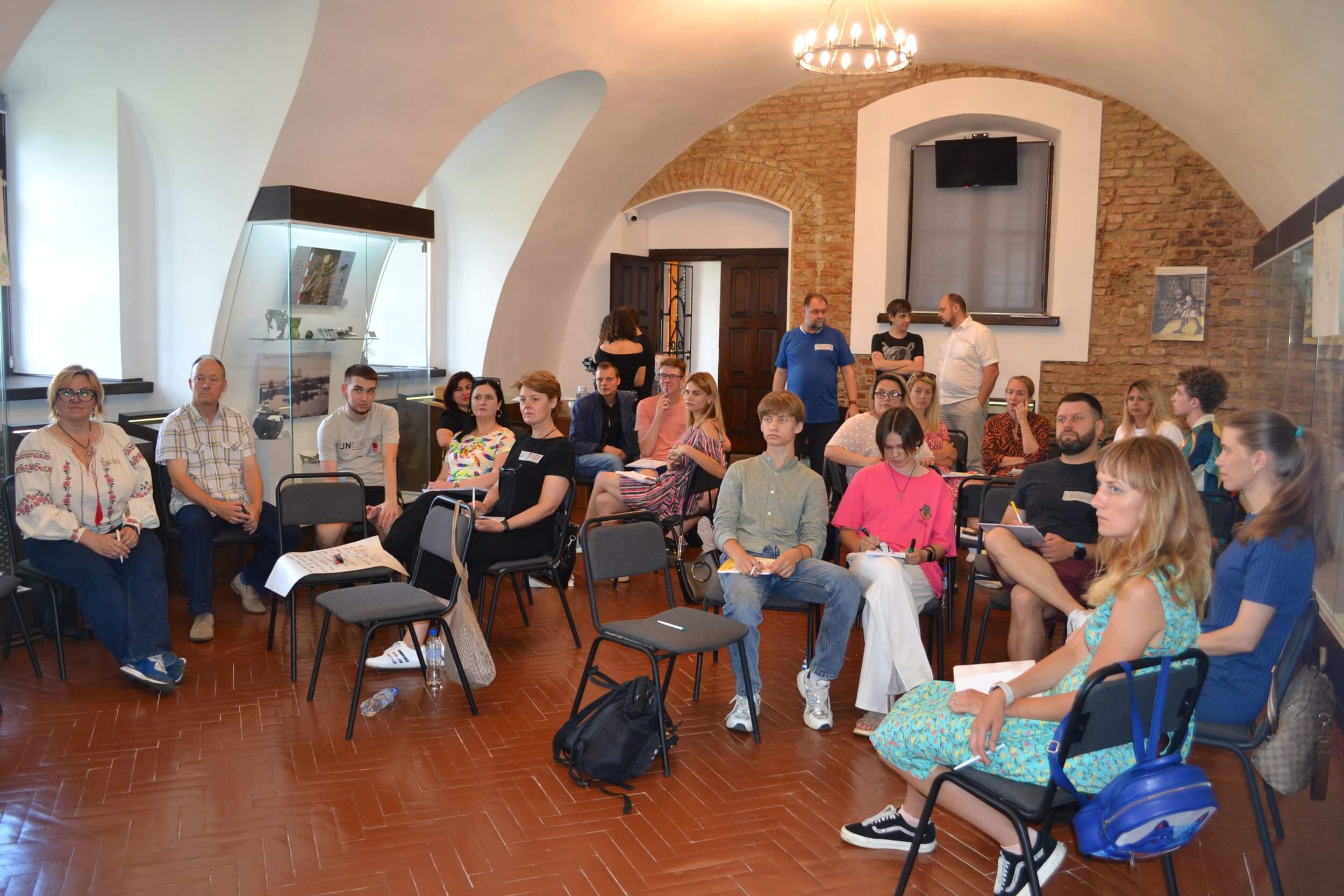
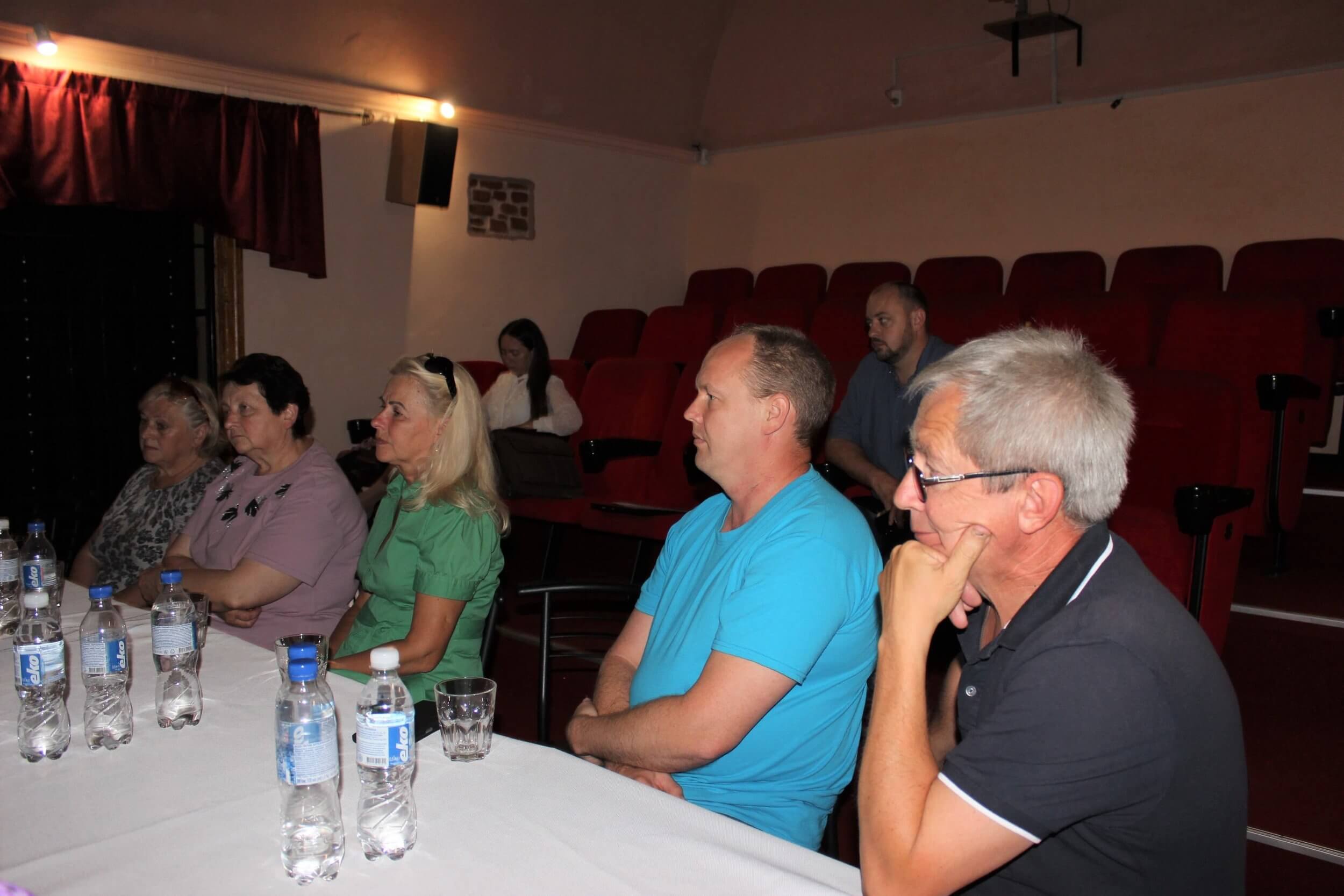
Internally displaced persons, ordinary Dubno residents, volunteers, and government officials shared the issues and challenges the Dubno community has faced in accommodating displaced persons.
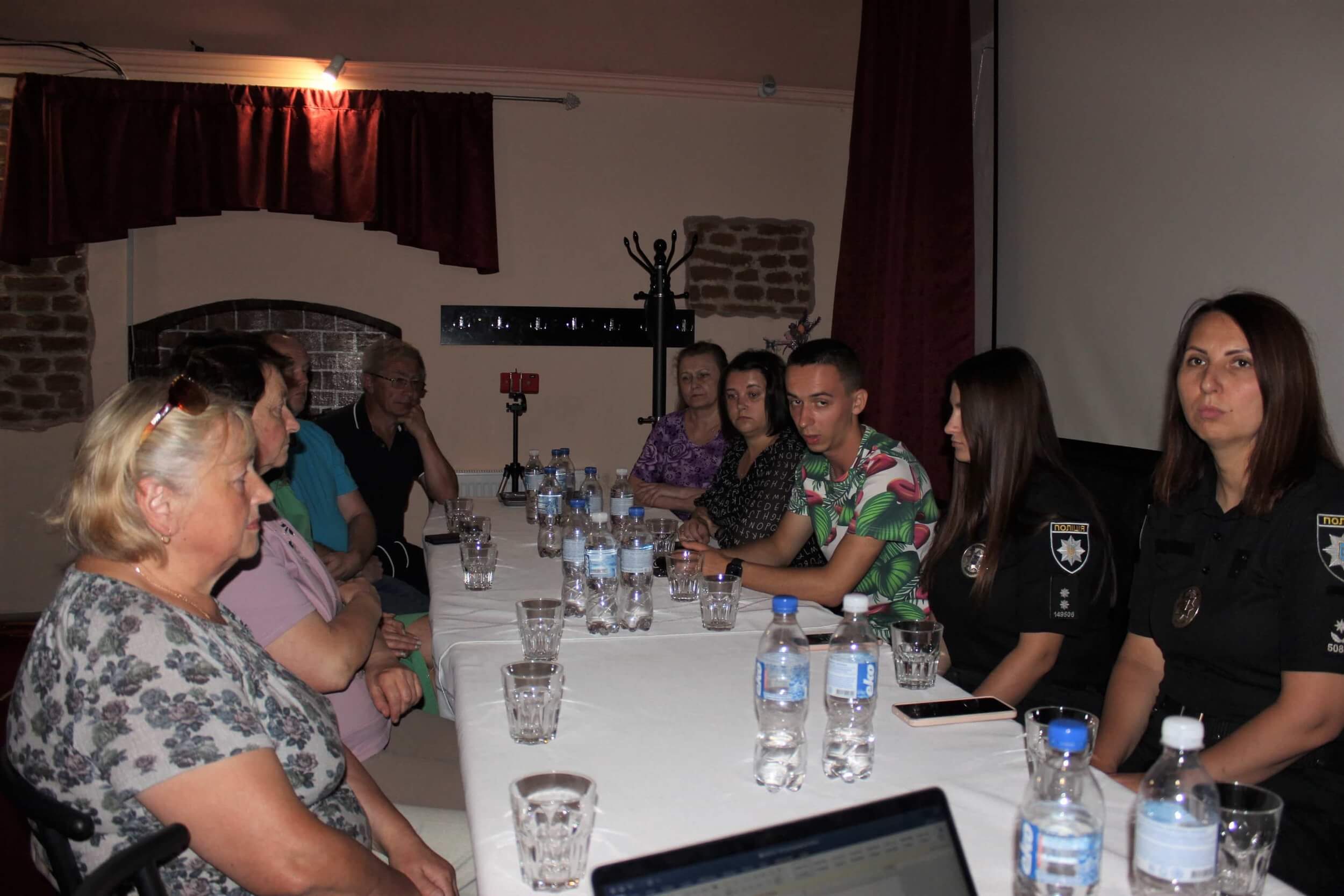
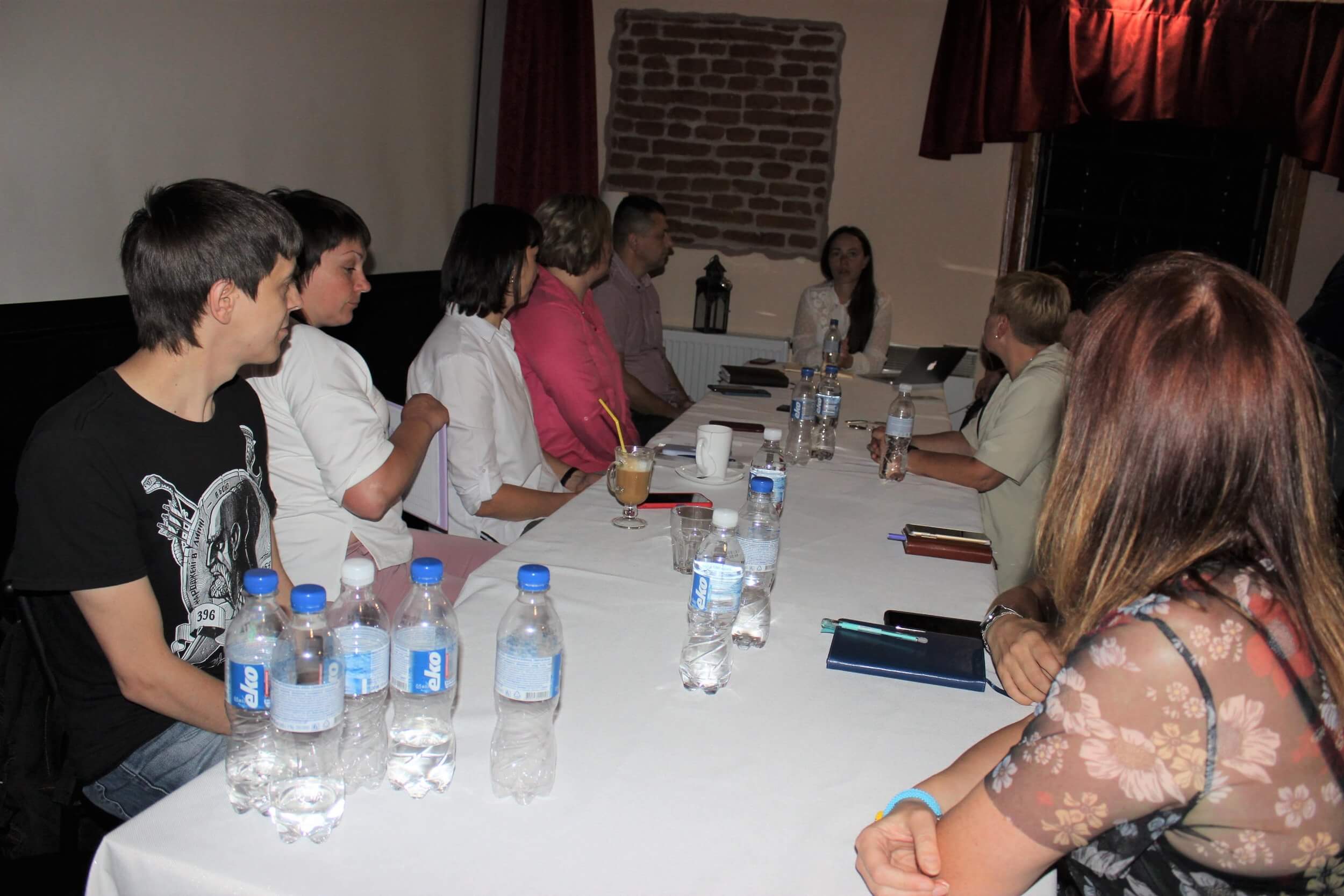
“Focus group research is very important because different groups of people have expressed their perspectives on challenges related to IDPs, their living conditions, and communication with them. Some people want to stay in the city, which raises questions like: ‘What happens next?’, ‘How do we build relationships?’, and ‘How do we address the issues that have arisen today?'” – summarized Oleksandra Hlyzhynska. “We identified key issues. First and foremost, housing; secondly, the lack of a single source of information from which displaced persons could understand the opportunities available in the city. Additionally, there are issues related to the provision of administrative services, long queues, and access to humanitarian aid. We observed that for internally displaced persons, Dubno is a great city. They are happy to have the opportunity to be here and are grateful for it. However, there are also several challenges for different groups, including myths that exist among both IDPs and local residents. These can be addressed by organizing joint events to foster interaction and communication.”