Thanks to the Foundation’s Project, Pedagogical College Students Exchanged Experiences in Poland
Living abroad and “only hearing” about life abroad are two different things. That’s what students from Dubno Pedagogical Professional College of Rivne State Humanitarian University say after recently returning from Poland. They visited the neighboring country thanks to a project implemented for the fourth year by the Dubno Community Foundation, “Dobrobut.” On the European Union side, cooperation takes place with the Polish organization “The Sts. Cyril and Methodius Foundation.” It is worth noting that the initiative to create this partnership arose through personal communication with Foundation Board Member Serhii Havryliuk.
“We are happy to have this opportunity, and that Mr. Mykola (Mandziuk, head of the charitable organization – ed.) offers us these projects. We are grateful to the Cyril and Methodius Foundation and to Ms. Irena, who communicates with us on behalf of the Foundation. We are also grateful to the college director, Valerii Babak, who is very supportive of our participation and makes many accommodations, so we have strong support from the administration. According to Ms. Irena, they consider our Ukrainian-Polish project to be the most effective. This is a great experience and an excellent opportunity for our students,” noted the Deputy Director for Educational Work, Vira Semeshchuk.
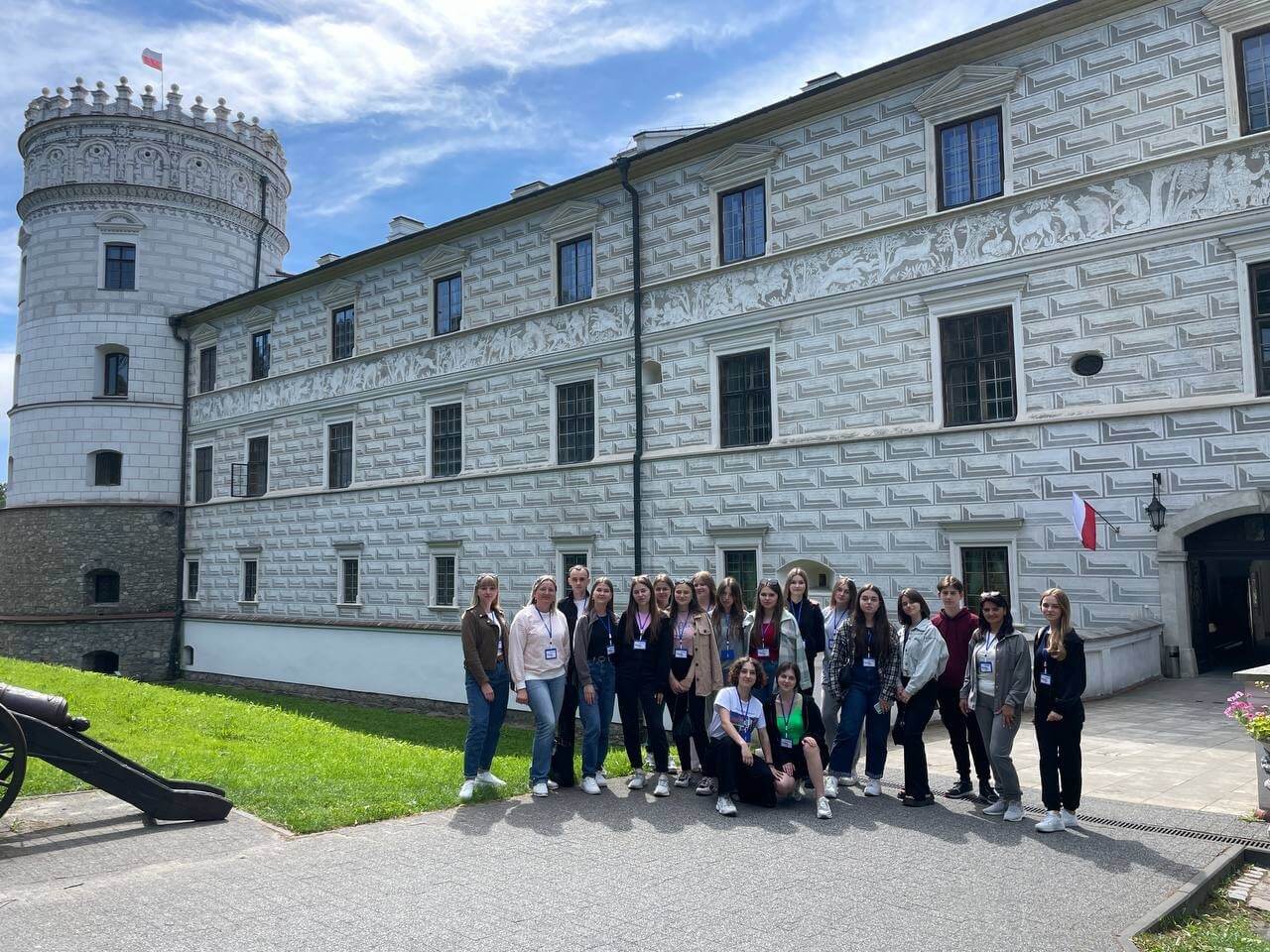
The war in Ukraine could not be ignored, so this year’s project theme was “Migration – Problem or Opportunity.”
“Each topic is chosen by the organizers as one of the most relevant. This one, they say, is important for Poles and difficult for us. When we were developing the program, we selected several activities to help convey the concept, and we succeeded in doing so. One of our events began with a short film created by our students. They captured everything: from February 24, 2022, to what is happening now. Even while previewing the film before presenting it, we had some comments. But when we watched it, being there rather than here, to say we were moved is an understatement. It was so emotional—those few minutes were heavy. At the end, one of our participants added a musical piece, which made it even more powerful. That event was the turning point after which Polish youth started to truly understand the purpose of our gathering,” said Angelina Nedilska, a psychology and pedagogical disciplines instructor. “We, the organizers, were once again convinced that the younger generation is the driving force of our future and development. With them, nothing ahead seems frightening. They conducted everything so dignifiedly and represented themselves so well that we became certain that we have a great future.”
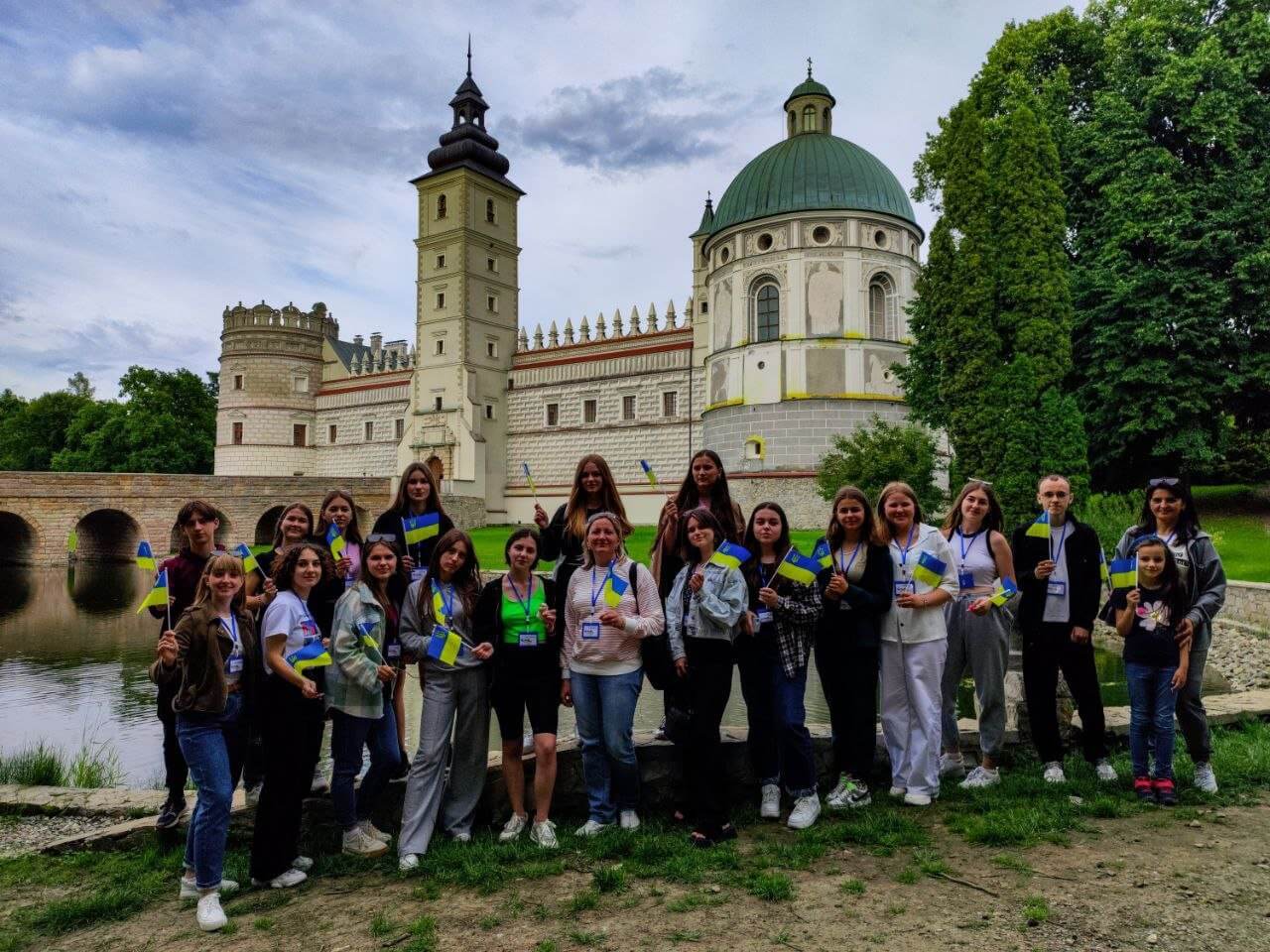
The project leaders, together with the students, carefully selected what to present to our neighbors to effectively convey the situation and help them empathize.
“Each year when I participate in the project, the topic, the students, and the program shape its structure and all the events that take place. This year, the theme was difficult for both us and the Poles. During the events related to the war between Ukraine and Russia, we saw tears in the eyes of the Polish group, especially among the young men. When we showed videos and explained what was happening in Ukraine, we saw that Polish youth genuinely care. It’s not just adults who help; young people are truly interested and empathetic,” said Natalia Kovalchuk, an informatics and mathematics teacher.
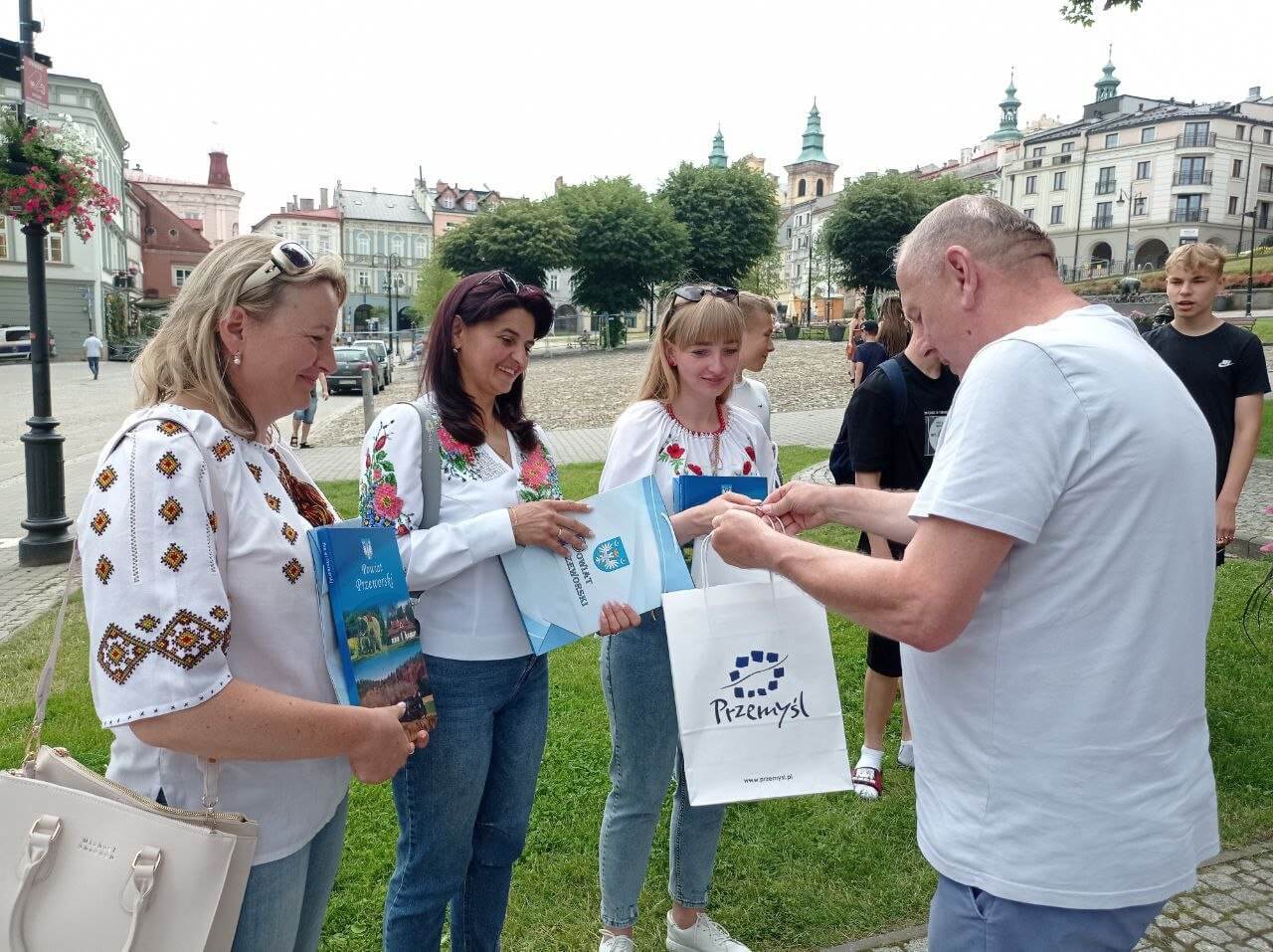
As the Deputy Director for Educational Work noted, the college team was carefully selected to ensure that both students and teachers felt comfortable together and worked effectively. For the first time this year, a foreign language teacher joined the leadership team traveling to Poland. She emphasized that everything was well-organized, preparations were conducted on both sides, and event options were discussed, debated, and agreed upon. Overall, Tetiana Pelahii was pleased with the trip:
“We saw how our friends and neighbors helped and supported Ukrainians and our society during wartime. We worked with people directly connected to migrants and displaced persons—staff from the Foundation, the Ukrainian House, and the Caritas charity organization. They are deeply concerned about our problems. They know them, they live with them. They shared their first experiences of what they encountered, and what struck them most—starting from the border, where they worked in a massive volunteer hub at the checkpoint. They shared their impressions and said that these experiences will stay with them forever. For example, they told us how they helped a mother with a three-week-old baby, and how they provided aid to children. It was truly moving.”
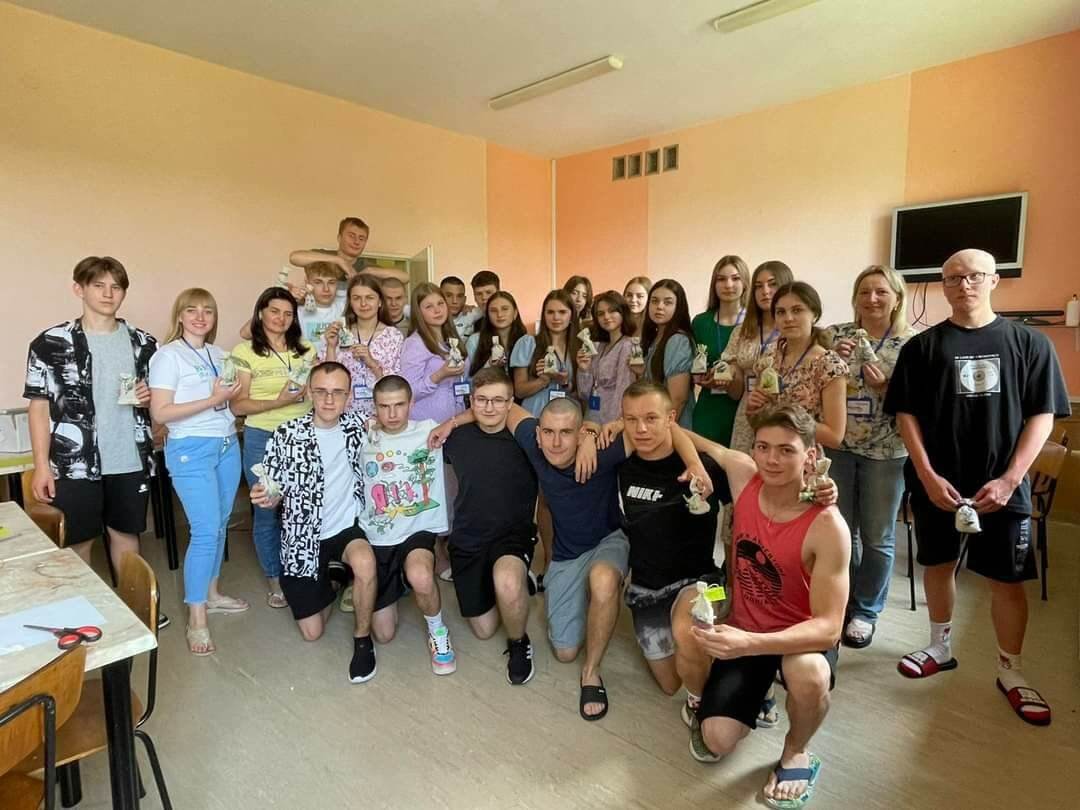
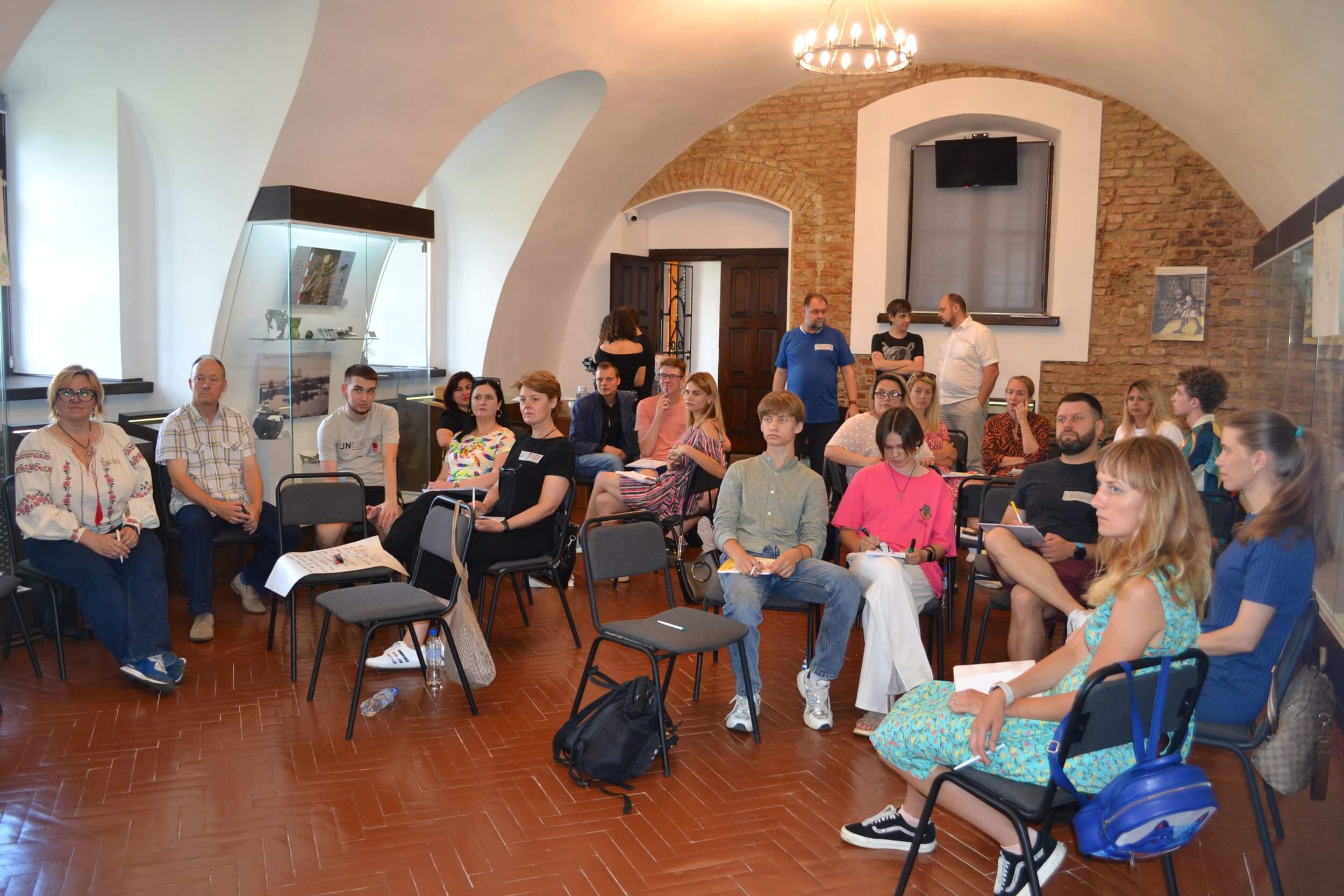
This year, 20 participants worked alongside the project leaders. The opportunity to visit Poland, specifically the city of Przemyśl, was given to 17 college students who had shown dedication and effort. Every year, project participants share their experiences and new acquaintances, which makes the number of applicants large. The core team consisted of young women who had previously participated in the program.
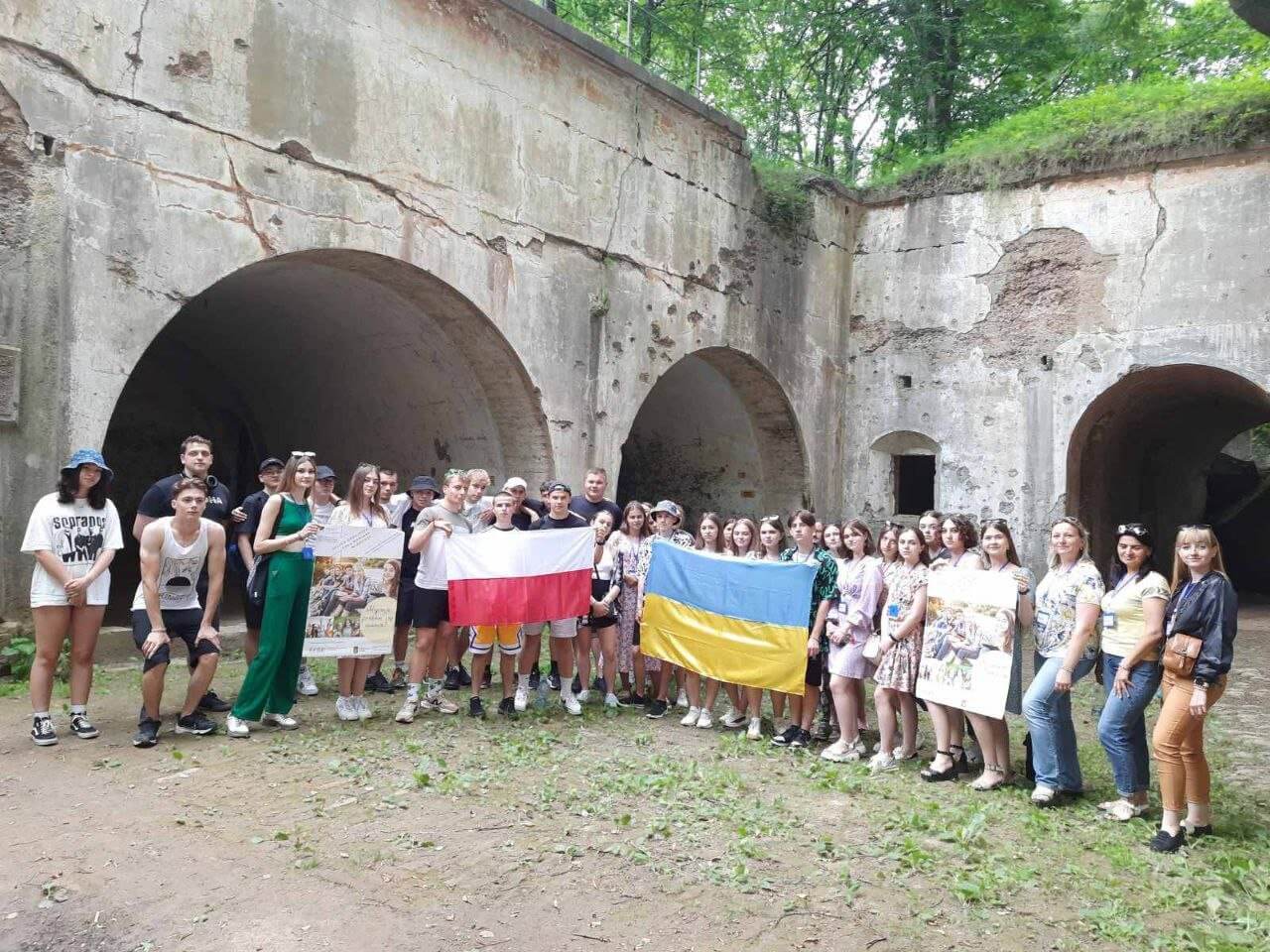
Iryna Chornobai, 3rd-year student:
– I enjoyed it very much, both last year and this year. There were so many emotions, and they are still inside me.
Tetiana Kovalchuk, 4th-year student:
– This is my third time participating in such projects. Each time, there is a new topic, new people, emotions, memories, experiences, knowledge, and skills. Each time, it gets better and better.
Khrystyna Khomediuk, 4th-year student:
– Each of these projects is uniquely interesting. This year was no exception. We met a lot of Polish youth, we became good friends, and even after the event, everyone was crying and sad.
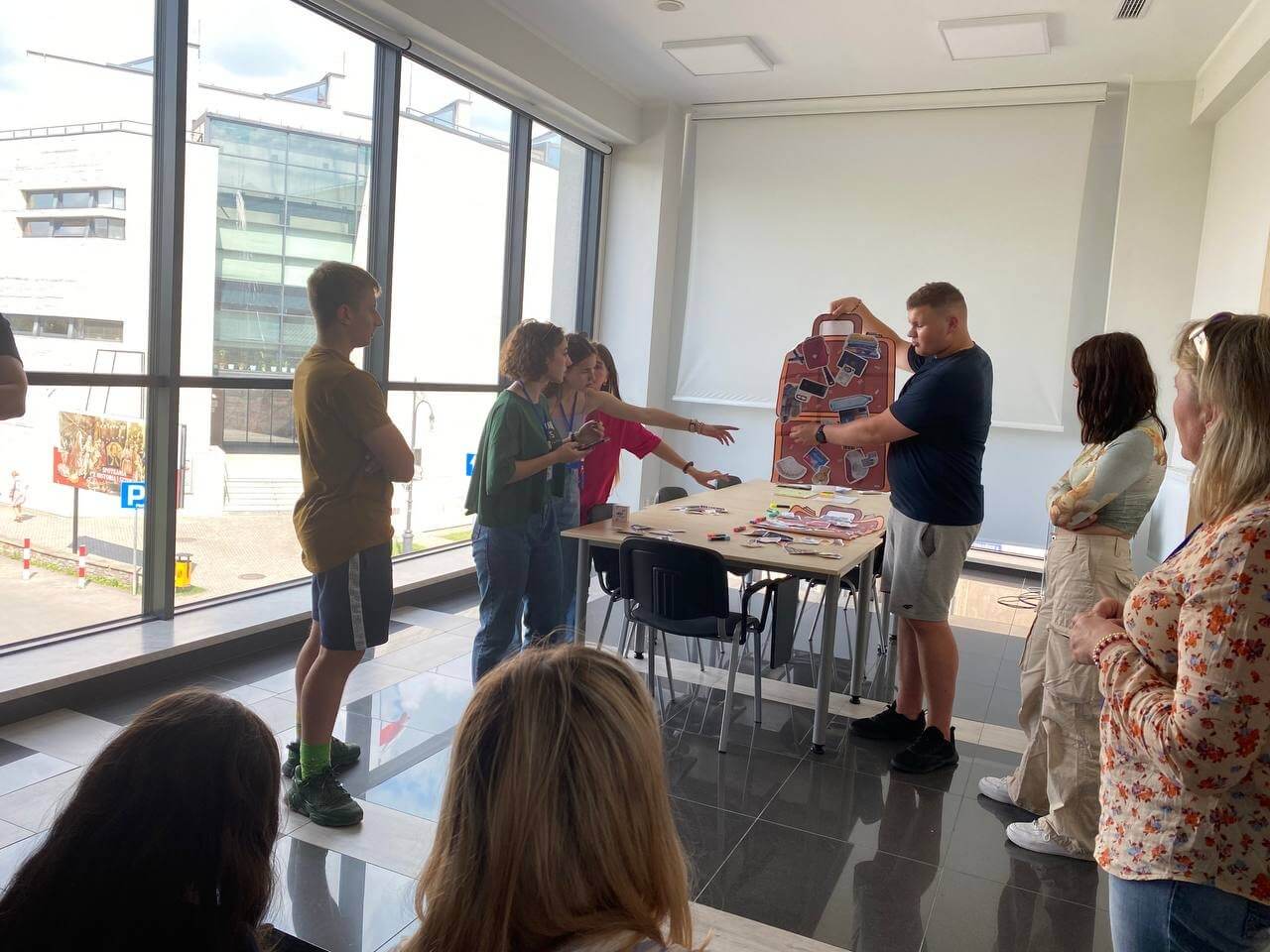
They spent 10 days with the Poles in the city of Przemyśl. And not only did the project leaders make new friends, but so did the participants. For example, the bracelets that the Ukrainians made in advance are still worn by the participants today.
– T.K.: – It was a pleasant surprise for us to learn that most Polish youth, just like us, monitor the news every day and follow what is happening. They are aware of the latest events in Ukraine. They keep track of it and are genuinely interested.
– I.Ch.: – Some of them worked with refugees, providing both psychological and physical support. We are grateful to them for this. Even when they shared their experiences with us, it warmed our hearts.
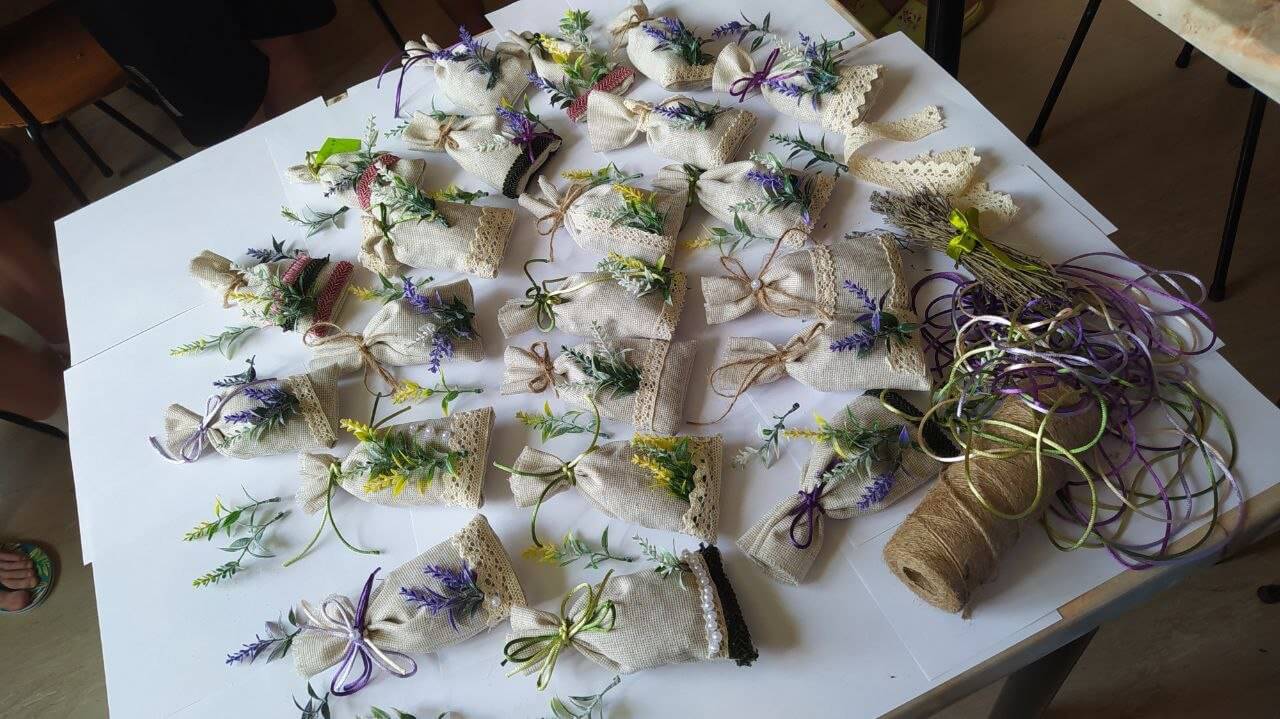
But what students say they will remember most is their communication with Polish youth.
– Kh.Kh.: – The time spent with Polish youth is the most memorable. Even after the project, we all continue to communicate and stay in touch.