Psychologist Lyudmyla Odvarko: A Year of Work After the Full-Scale Invasion and New Challenges
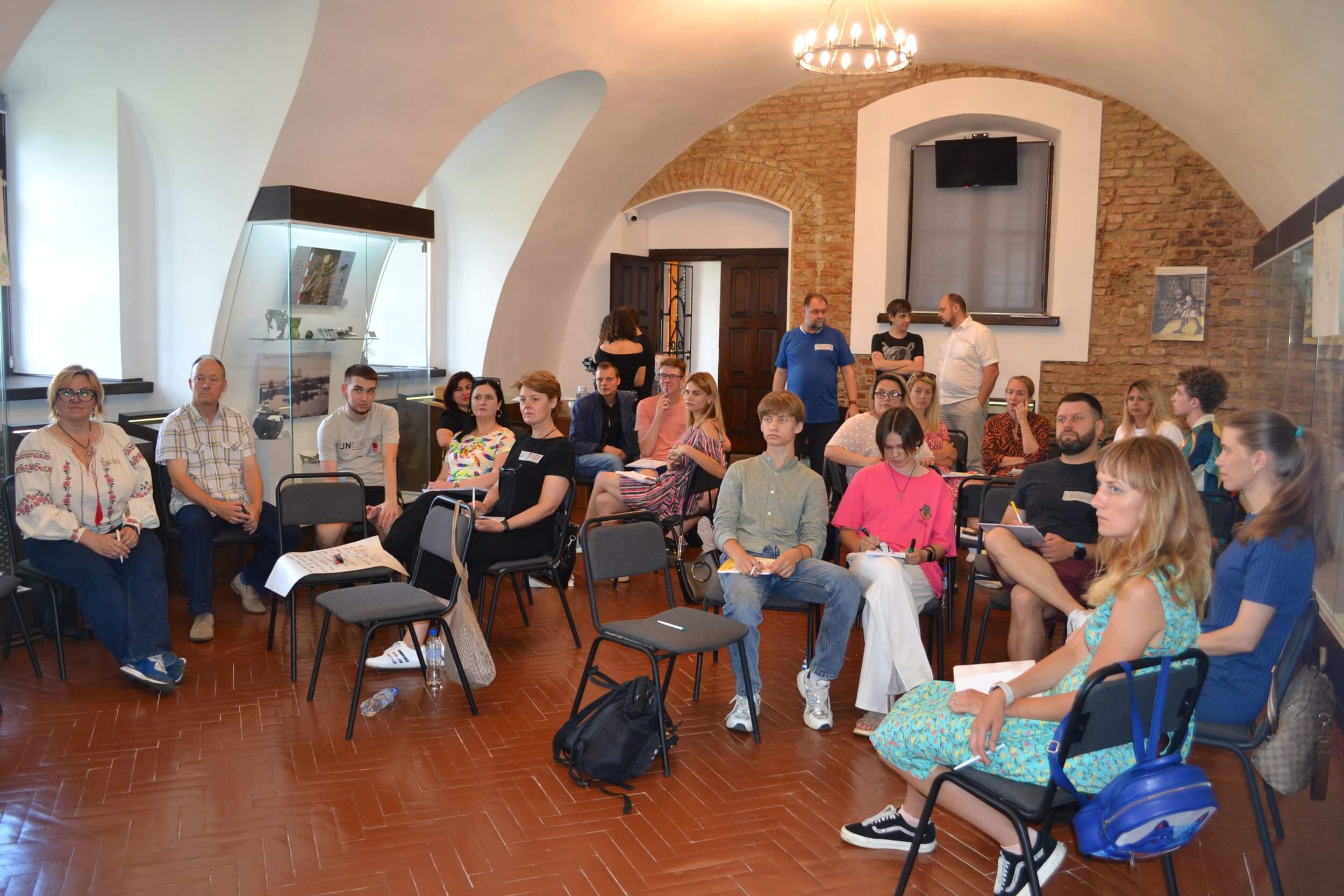
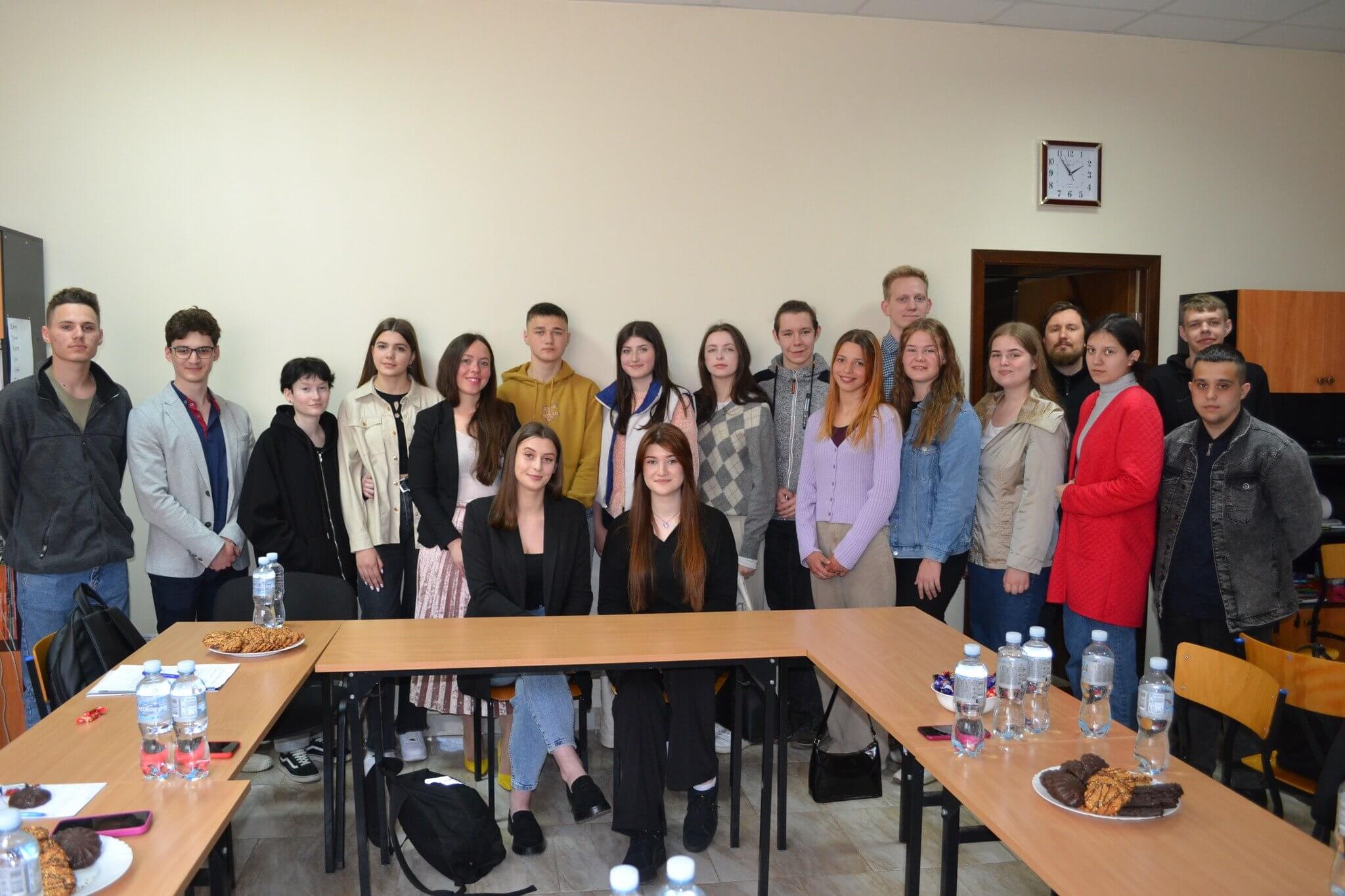
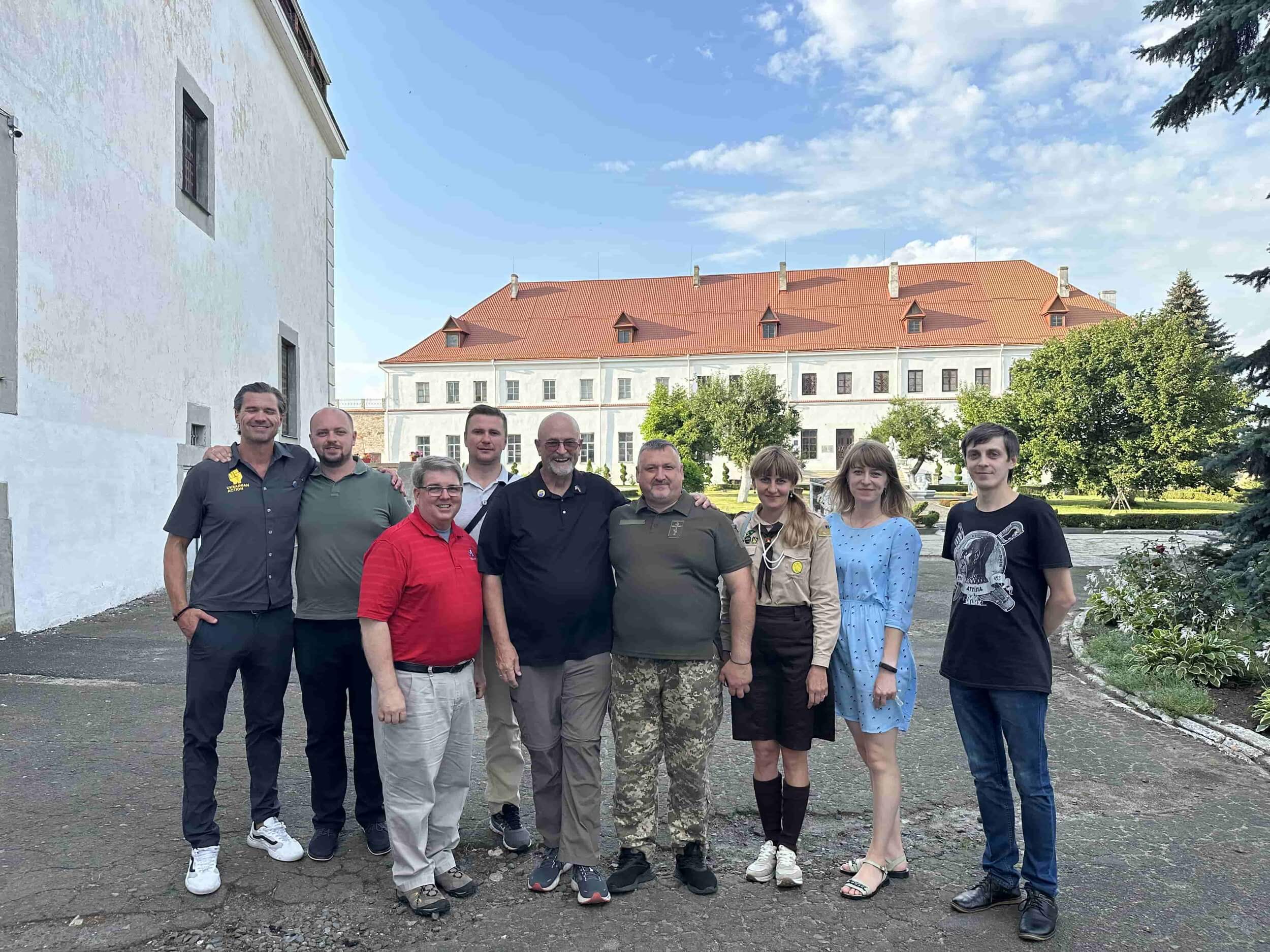
Volunteering can take many forms. The key is that it must be voluntary, beneficial, and never solely material. Lyudmyla Odvarko agreed to become a volunteer and a part of the Dubno Community Foundation “Dobrobut” team. She is a psychologist, crisis counselor, and art therapist. Last year, together with her colleague Inna Kurilyak, she worked with internally displaced persons under a project supported by the Global Fund for Community Foundations. This year, the Foundation’s psychological assistance efforts for vulnerable populations are funded by Global Giving. This time, the psychologists provide their services for free to the active members of the Public Society for People with Disabilities from Childhood “Dobrochin”. Ms. Lyudmyla is an interesting individual who has helped many people. In an interview, she shared insights about working under full-scale war conditions, the impact of her work, and the challenges she faces.
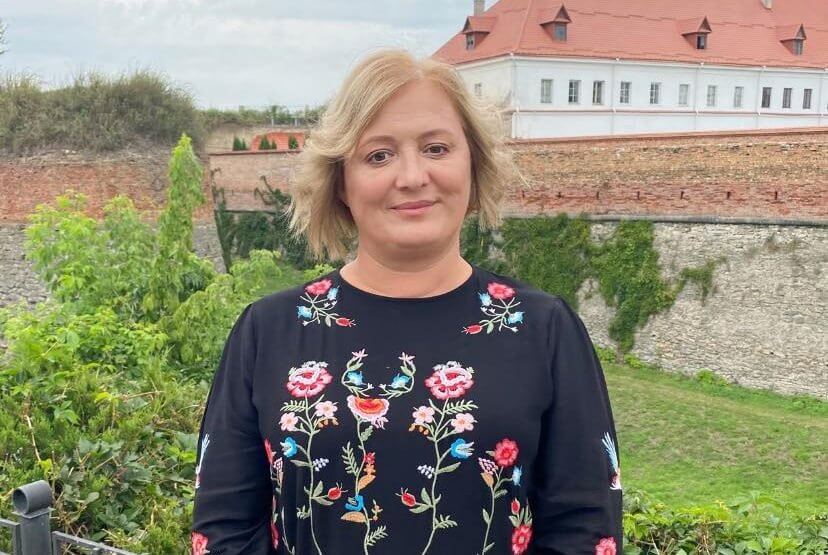
– Let’s start with February 24, 2022. Do you remember that day? What were your thoughts as a person and as a specialist?
– I remember it very clearly. My husband and I drove into town and saw long lines; we realized that something was happening—something more serious than usual. My first feeling as a specialist was that fear and collective panic had set in. Of course, I had my own worries: I have a family, grown children, and a mother who needs care. But my personal concerns lasted only a few hours, just enough to put everything in order. After that, my thoughts shifted to where I could be useful, and to whom I could be helpful. I completely forgot about myself, and that’s how my work began.
– You mentioned your work. Tell us about it—how has it changed since the full-scale invasion?
– The first rule of working with people is “do no harm.” My professional experience allowed me to handle this well. However, I actually studied crisis counseling during the war because I realized how crucial this field would be. It deals with all human crisis states, not just war-related ones. This approach can be used without any additional tools—just your knowledge and the client, and that’s enough. This method attracted me because of its simplicity and depth. Throughout this period, crisis counseling made it possible to work with both small and large groups, often in a way that was imperceptible to the client. One moment that comes to mind is the first children we met—Illia and Olesia. They desperately wanted to play hide-and-seek, but only if adults played with them. We hid with the children, and I asked the parents to find us. For the adults, this seemed strange and unclear because they were preoccupied with daily survival and urgent matters. But for the children, this was incredibly important. They held my hand tightly, clinging to someone unfamiliar, looking into my eyes, and waiting for their parents. War changes the environment and shifts priorities. Crisis counseling also includes body therapy. The key is to read a person, and understand their needs.
– Last year, when we announced enrollment for free therapy groups, people were hesitant to sign up. What is the situation now? Are clients reaching out, or are they still hesitant?
– People are becoming less hesitant and are increasingly seeking support and help. They openly express their needs. Even at the beginning of martial law, there were many locations where people provided their addresses and asked for someone to come because they needed help and understood it was beyond their ability to cope alone. A year has passed, and I can now talk about the results of that work. Of course, some people still require individual meetings and counseling, and we take that into account. However, group work has its advantages: it fosters trust in the world and enables experience sharing, mutual support, and assistance. Group work is a microcosm of the world. By reading body language, reviewing daily photos, and observing local news, I can say that internally displaced persons have now become very well-organized. They are no longer afraid to express themselves, hold events, and support each other—likely because communication hubs have formed. After all, the most basic need people have is to be heard. And often, simply listening to their story is enough because when we verbalize our thoughts, we release them. – But I know for sure that this result was preceded by tremendous work from various organizations and volunteer groups in our city, including the Dubno Community Foundation. The people who dealt with these issues and provided timely help did an enormous job. Although European colleagues called Ukrainian psychologists the “elite,” it was incredibly difficult for all of us to organize ourselves. New challenges arose from every direction, and it wasn’t always easy to handle them. We had to learn and practice simultaneously while also helping others. This happened without any serious prior training because, let’s be honest—no university prepares anyone with real-life experience on how to cope with hatred, pain, and an unjust reality. New challenges came every second. Just after providing one instance of first aid, another call would come in immediately.
– You are currently volunteering with the active members of the Public Society for People with Disabilities from Childhood “Dobrochin,” and last year, you worked with displaced persons. What challenges did you encounter?
– We work with people who, despite their life circumstances, help others. There are no difficulties in this work because these are adults who come voluntarily and are motivated to contribute. No story can be ignored because behind every person is a soul. It is incredibly valuable when people trust you with their soul, their heart, and their inner world. My colleague and I see our task as transforming their moments of failure into strength, their struggles into a resource, their pain into potential, and ultimately, to help them heal. When you witness someone healing, and see the smile of a child—you feel a deep sense of fulfillment. When we talk about people who, despite their hardships, continue to help others, I can say that I haven’t felt such inner strength and energy in a long time. These are the people you can learn from, take something valuable for yourself, and they teach me so much, making me stronger. People can do anything. If someone else has managed to overcome hardships, so can we.
– Every story is different. How does this work affect you? How do you cope, and what or who helps you?
– Over the years of work and experience, I have realized that openness and helping others do not take away from you personally, they do not diminish—you only gain more. It is a great blessing to have people by your side who share your setbacks. I attribute all successes to my clients. And when something doesn’t go as planned, it’s great to have a co-trainer who shares that failure with you. That person for me is Inna Kurilyak—a friend, colleague, and professional. Each of us has had and continues to have different professional methods, practices, and techniques, as well as our own experiences. We are different in character and professional style, but we share one thing in common—our priority is helping others. We have the same perspective on our work. We conduct therapy for our clients, but if one of us is the trainer leading a session, the other becomes a participant at that moment.
– Looking back a year ago, did you immediately agree to work with the Dubno Community Foundation team?
– Working in this team is a great experience because there is complete trust, understanding, and acceptance of everyone. When you are trusted in your role, when you face difficulties—people listen and support you. When you express your needs, there is a response. You can only work effectively under such conditions. A happy person is someone who knows how to work in a team. That is something we often need to learn. With Mykola Mykolayovych (Mandziuk, head of the Foundation—ed.), we spent about six months before starting, just meeting to discuss current issues, challenges, future plans, and engaging in very interesting conversations. No one was talking about personal gains or telling others what to do, and that truly impressed me. He is a person of his word, integrity, and kindness. With my life experience and professional background, I find that incredibly valuable. I agreed to help without hesitation.
– Can you share a case that readers should know about? Maybe something that could serve as advice or a warning?
– I wouldn’t want to single out any particular case. Every interaction requires attention. You must approach it with deep understanding, respect, and dedication. When I communicate with teenagers, I realize how much they teach me. The most important thing is to never think that you already know everything, that you are better or superior to them. No. No matter who you are or where you are, you must be on the same level. This sense of equality helps resolve many situations. And what brings me great joy is when people come with smiles and say they couldn’t wait for the next session.
– What would you like to add to conclude our conversation?
– Only a person who feels safe and in harmony with themselves can set the right priorities. That is why taking care of yourself is the right thing to do, it is good, and it is always relevant. If questions arise, especially personal ones, the key is to seek help and support. I want to address everyone who has the opportunity to organize any project within our city, our district, or our region—do not hesitate to do so. Helping one another and showing understanding are things that will always be relevant. I believe that a person’s smile and their sense of security will always be important. Without that, no one can move forward. Every ordinary person is the elite of our nation.