
In Dubno, Civil Society Organizations United to Help Internally Displaced Persons (IDPs)
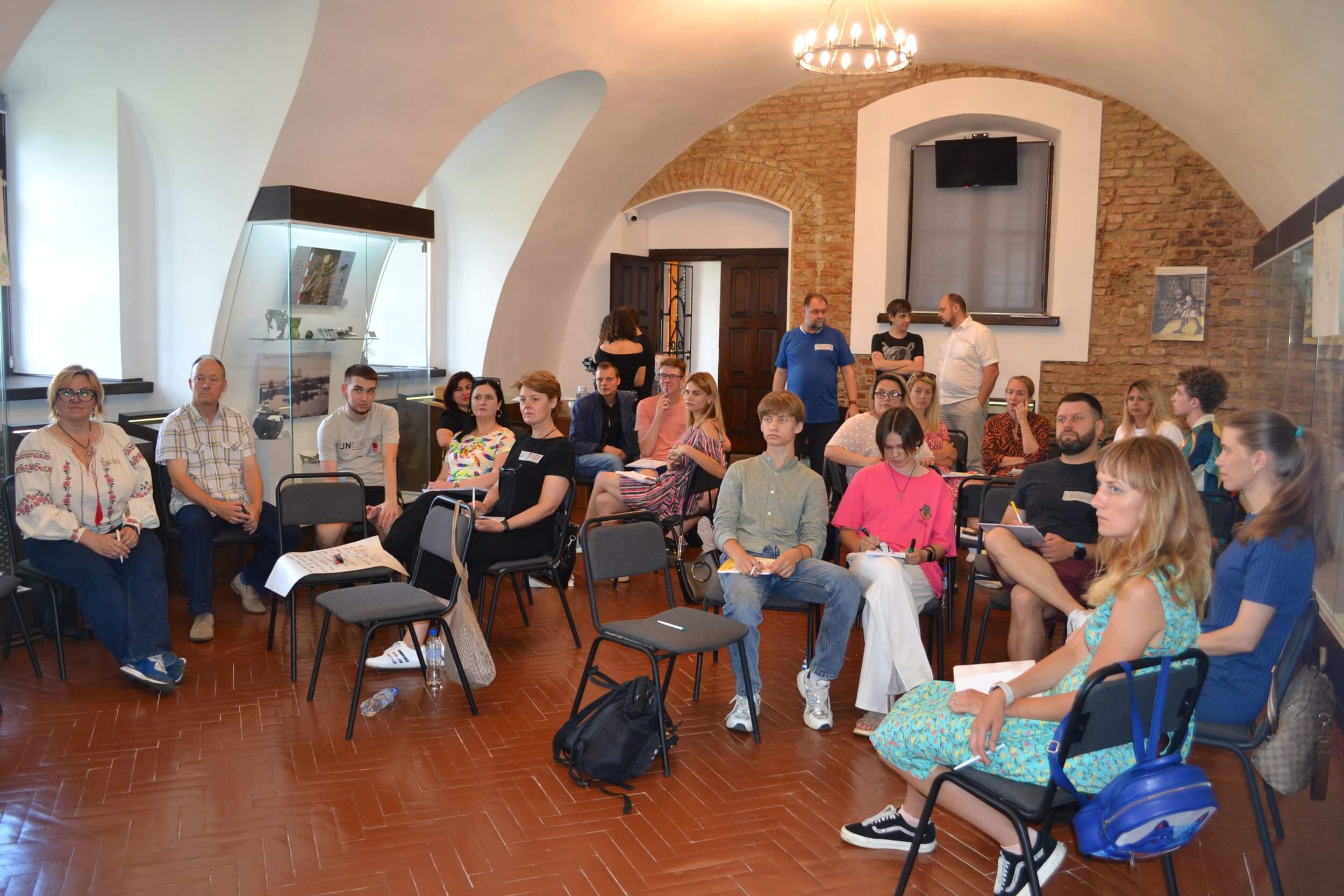
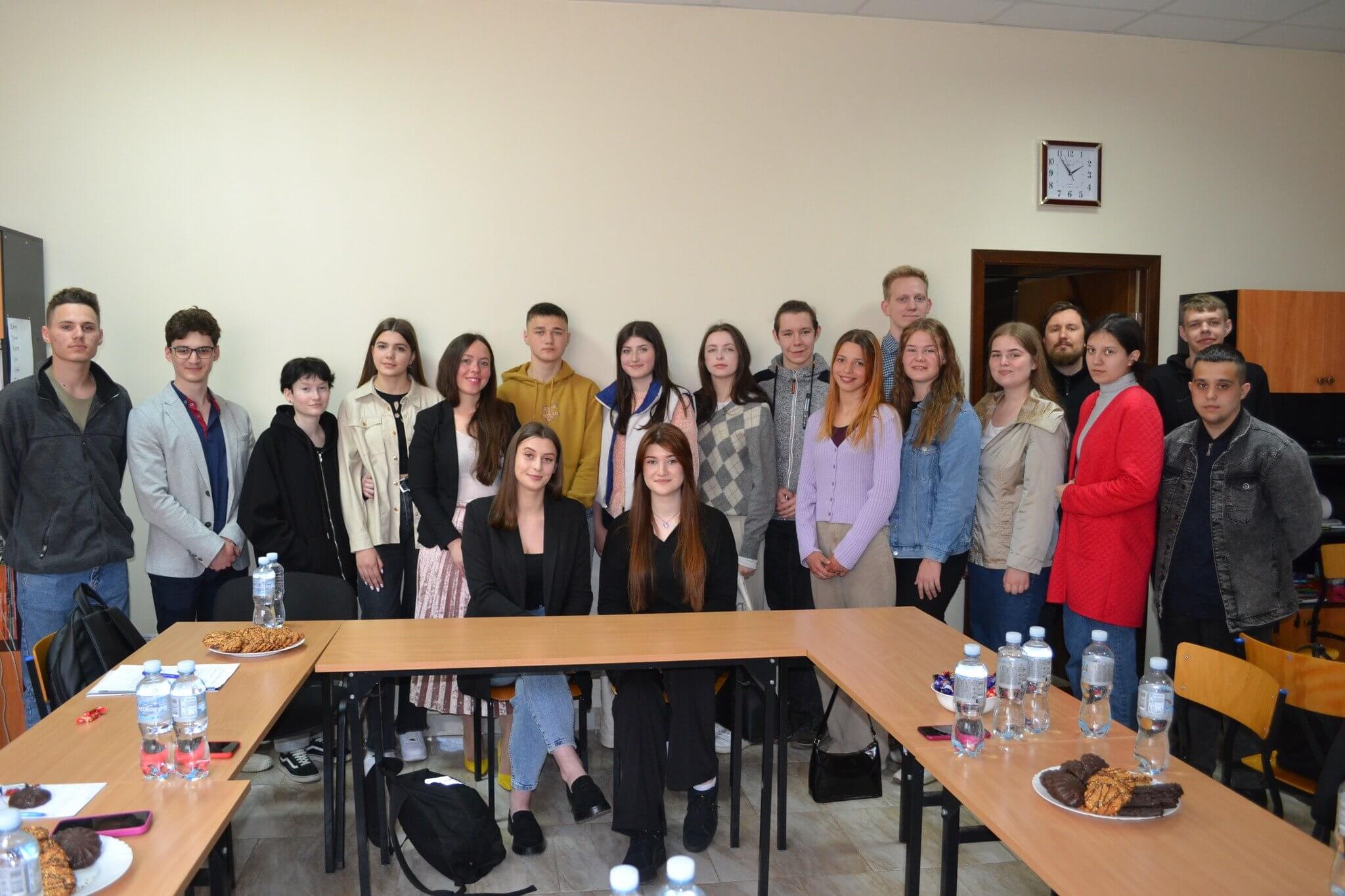
A meeting for representatives of active civil society organizations from the city and region that assist internally displaced persons (IDPs) in addressing urgent issues took place today, August 5, at the Caritas-Dubno Charity Foundation. This meeting was preceded by a study on the needs and challenges of IDP integration in Dubno, conducted in July by the Dubno Community Foundation “Dobrobut” as part of a grant project funded by the Global Fund for Community Foundations.
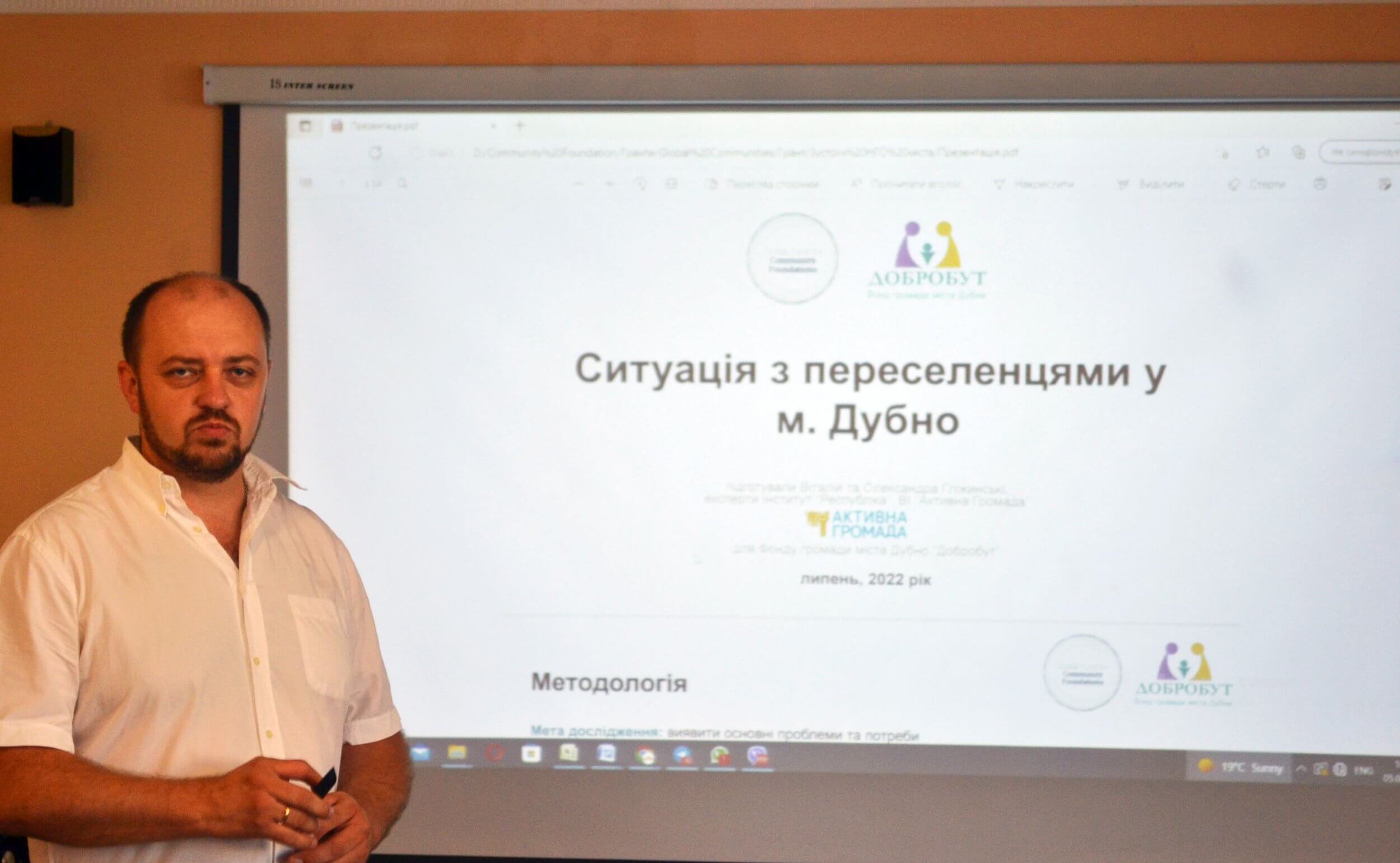
Today’s meeting was the next step following focus group interviews, where the main findings, recommendations, and conclusions of the study were presented. Based on these findings, it was decided to unite the efforts of civil society actors to address these issues.
“For the past five months, various civil society organizations, initiatives, and groups have been assisting people who have arrived in the community by addressing their humanitarian and social needs. However, as resources for assisting IDPs have gradually diminished, there is a need to unite efforts for coordinated and effective work,” says Mykola Mandziuk, head of the Dubno Community Foundation “Dobrobut.” “Efforts should be mobilized among international charitable and donor institutions, central and local government authorities, and local civil society and charitable organizations. A key component of civil society assistance at the level of each territorial community is the ability to attract local resources—material, non-material, and human. This includes volunteer work, in-kind assistance such as clothing and food, as well as voluntary donations.”
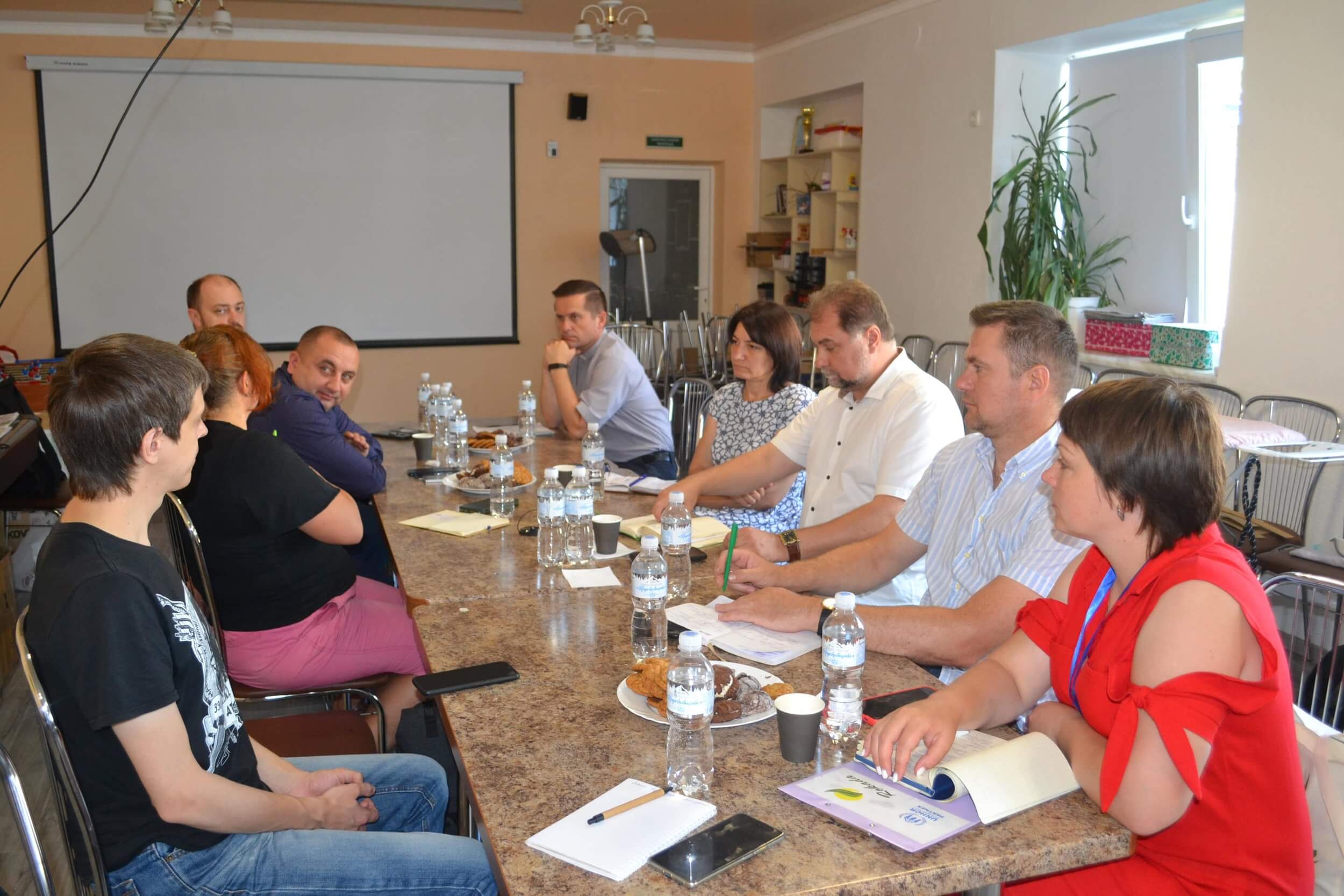
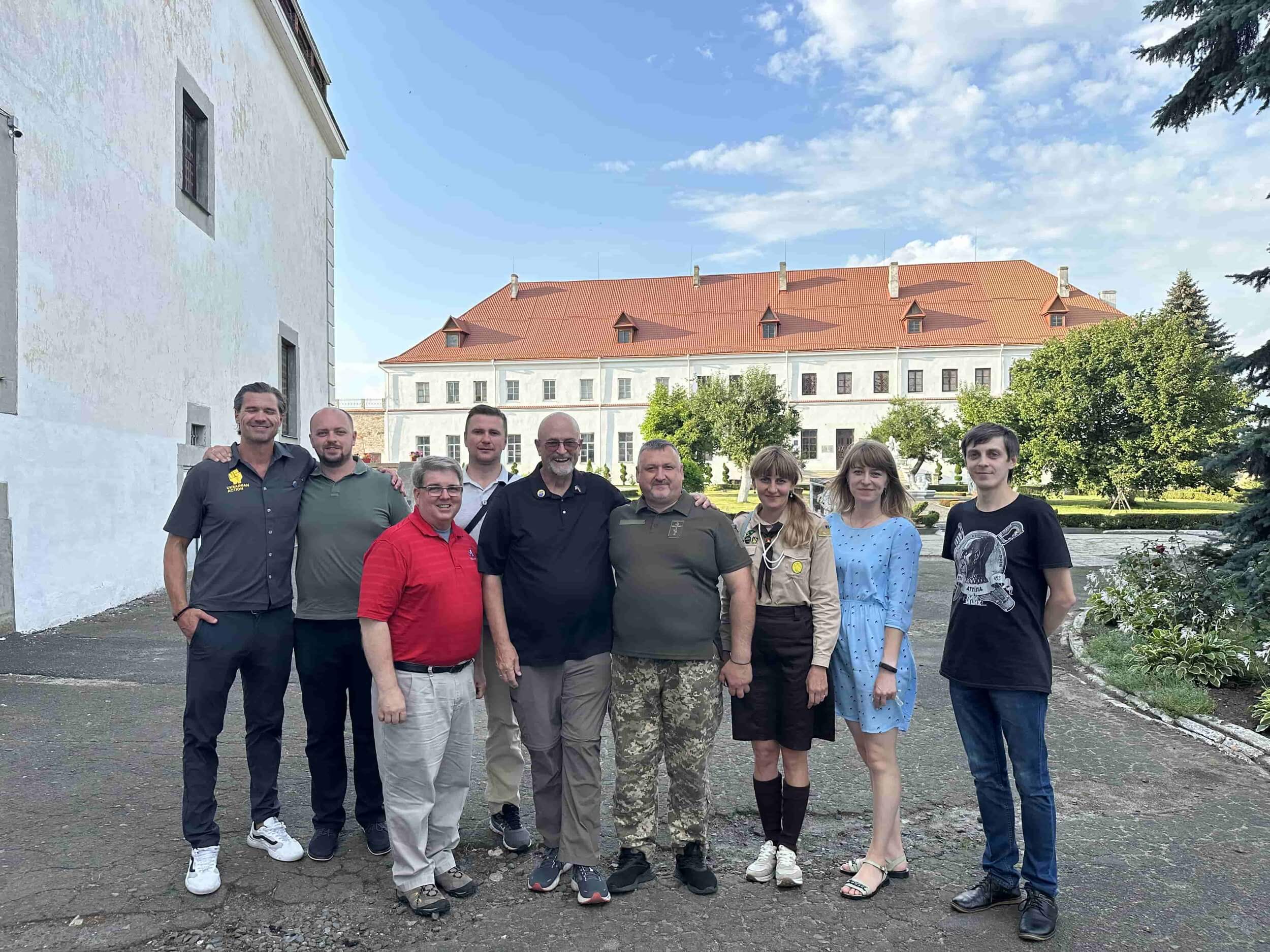
During the event, civil society organizations presented their activities related to assisting IDPs. It turned out that the key to their effective cooperation is the creation of a shared information space. Additionally, a willingness to work together to address complex social and humanitarian challenges. To achieve this, meeting participants agreed to sign a memorandum of cooperation. The signatories included the Dubno Community Foundation “Dobrobut,” headed by Mykola Mandziuk; the Princes-Philanthropists Ostrozky Foundation, represented by Board Chair Ruslan Kraplych; the Caritas-Dubno Foundation, led by Father Andrii Koval; and the Rotary Club Dubno, headed by Viktoriia Kostiuk.
“Today’s roundtable discussion has given great hope to people who arrived in Dubno, whose previous lives fit into a single suitcase. That is why it is crucial for local residents to welcome these people with dignity and prepare the community for how to live and work alongside internally displaced persons. The newcomers should be integrated into the city’s community and the region because we live in one united country, and we face a common enemy. Locals and newcomers have nothing to divide between themselves—except for sharing bread,” notes Ruslan Kraplych. His words are echoed by Viktoriia Kostiuk:
“I believe that today’s event is quite unique because, for the first time in five years, civil society organizations have voluntarily come together, agreed on cooperation, planned joint actions, and shared best practices. This way, we will multiply good deeds and projects because we should not see each other as competitors. We are all partners, and together we can achieve much more.”
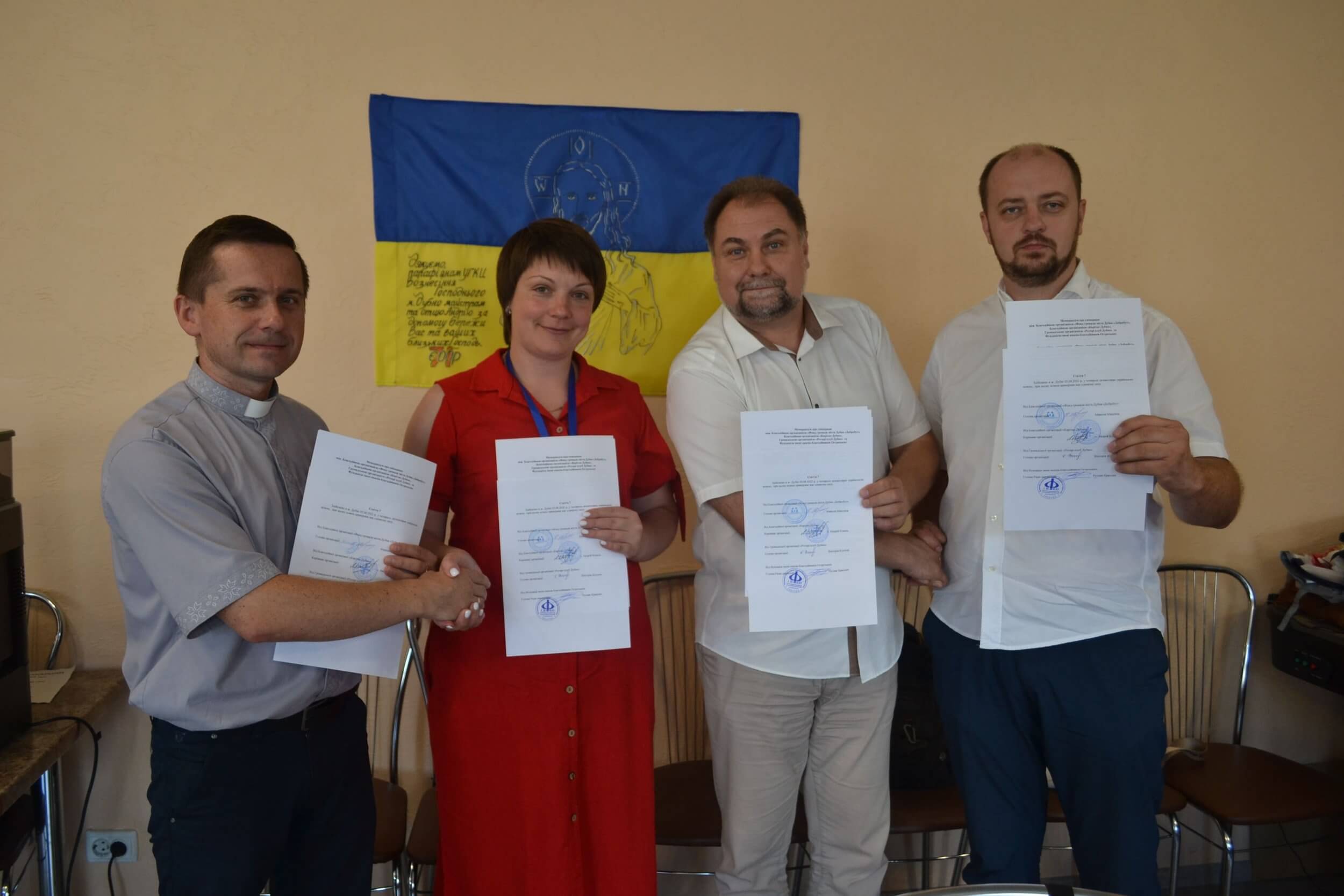
This decision is significant for attracting future external financial resources. International charitable organizations view coalitions and alliances of local civil society organizations that address community issues positively and favorably. In addition to signing the document, they discussed a preliminary cooperation plan and ways to address challenges using the resources that each organization possesses or can mobilize.
“I have long awaited today’s meeting so that we can do good not individually but by sharing our experiences. And now the time has come to focus not on quantity but on quality. Quality means being open, and then people will join in, and integration may truly happen,” says Father Andrii Koval.
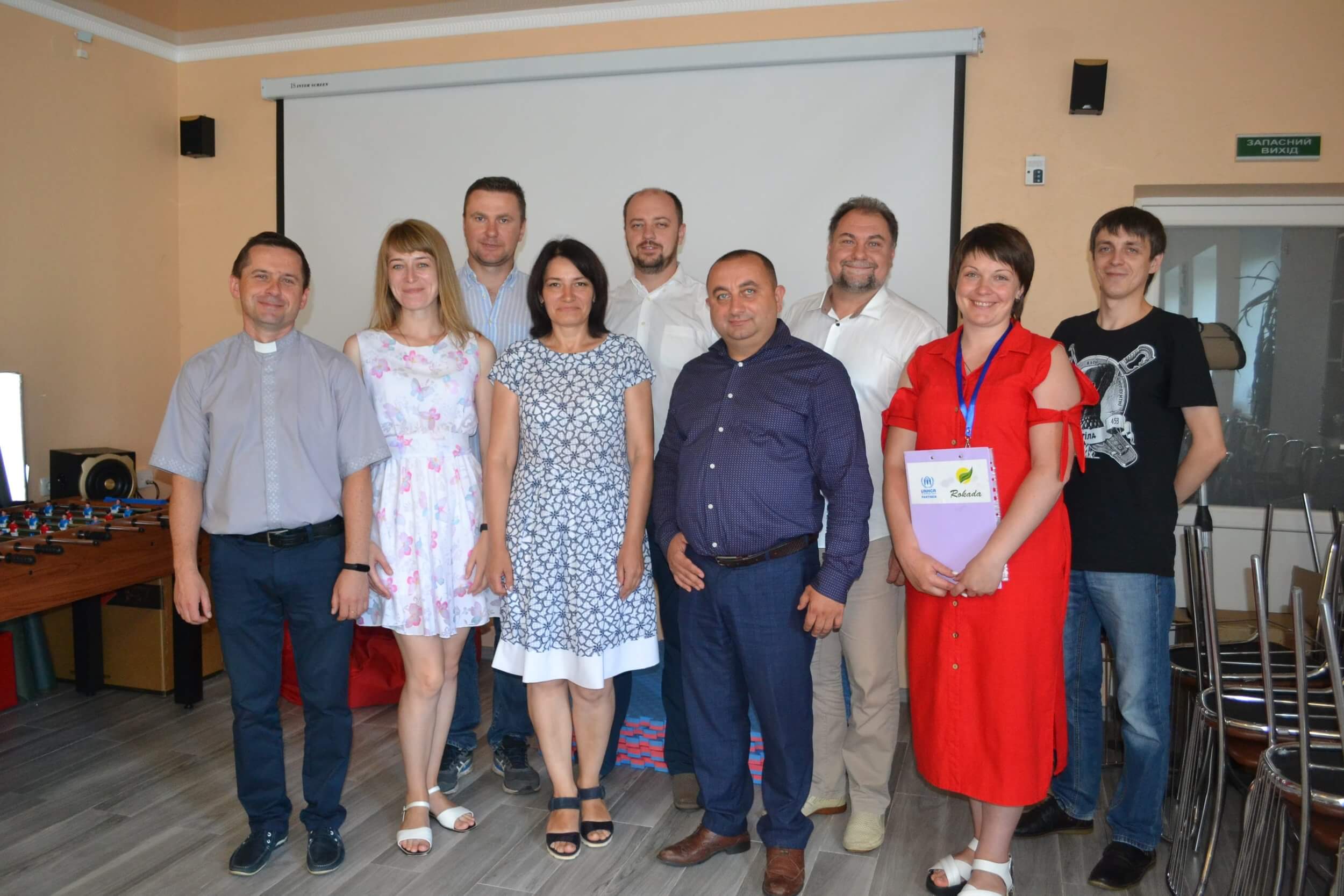
The internally displaced persons present at the event shared their challenges and expressed hope for appropriate assistance from active civil society organizations.
“This initiative is essential for establishing communication between active civic groups, that is, legally formed civil society organizations, and internally displaced persons.
It is crucial that this becomes a systemic approach because cooperation begins with communication,” summarized Zinovii Svereida, a member of the Rotary Club Dubno.