Volunteers at Kontorska – Who Are They and What Do They Do
In life, there are situations and events that push you to do things you haven’t done before. It can be something serious or something small. But over time, especially if it’s volunteer work, it becomes an inseparable part of your life. Weaving nets, making stoves, collecting recyclable materials, raising funds in various ways – these are the activities that volunteers at Kontorska engage in, who have officially registered a charity organization under this name.
“After my son was wounded – I promised myself that I would never leave his comrades”
Volunteers shared with the team of the Community Foundation of Dubno, “Dobrobut” about the various directions of their work.
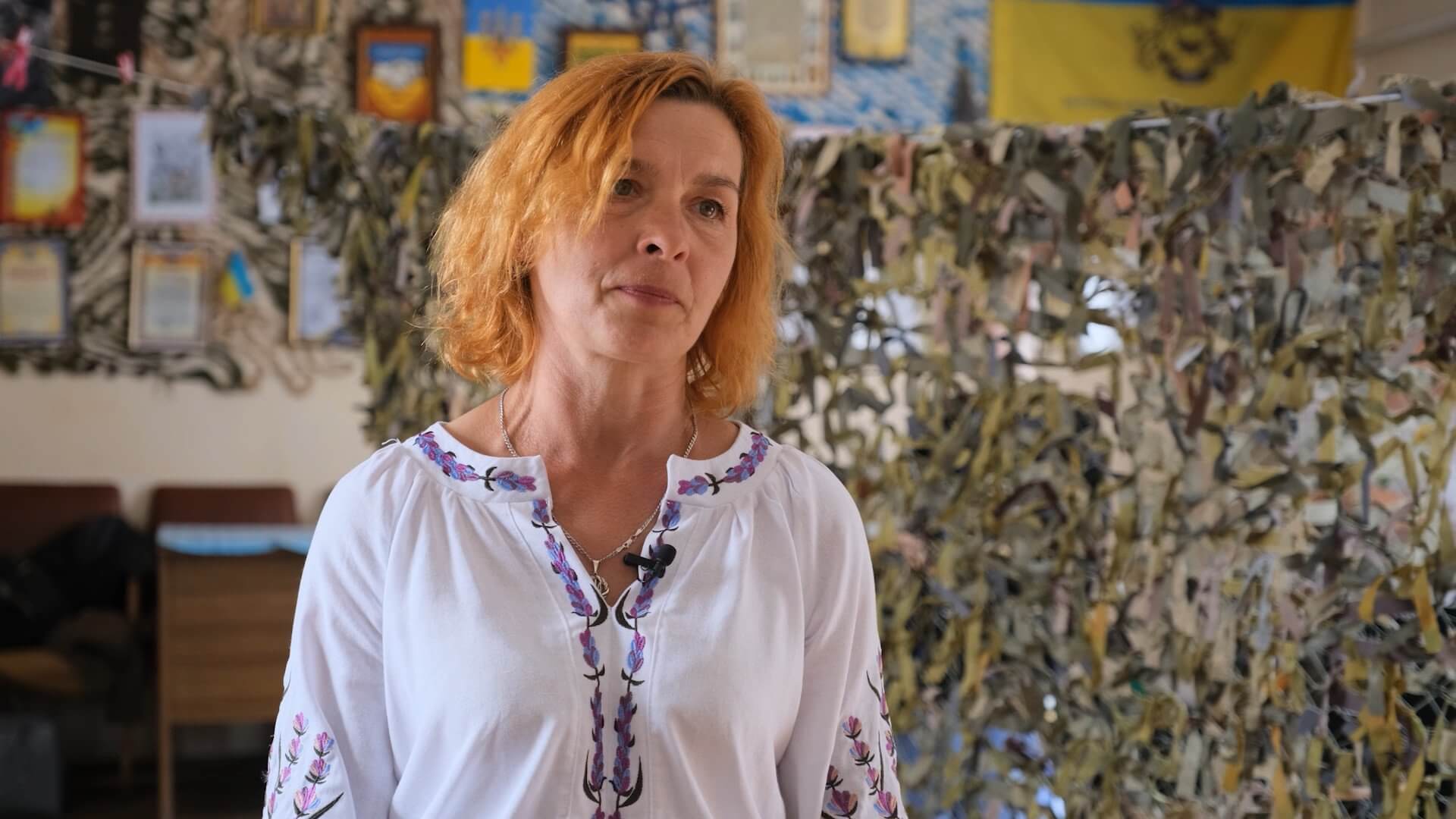
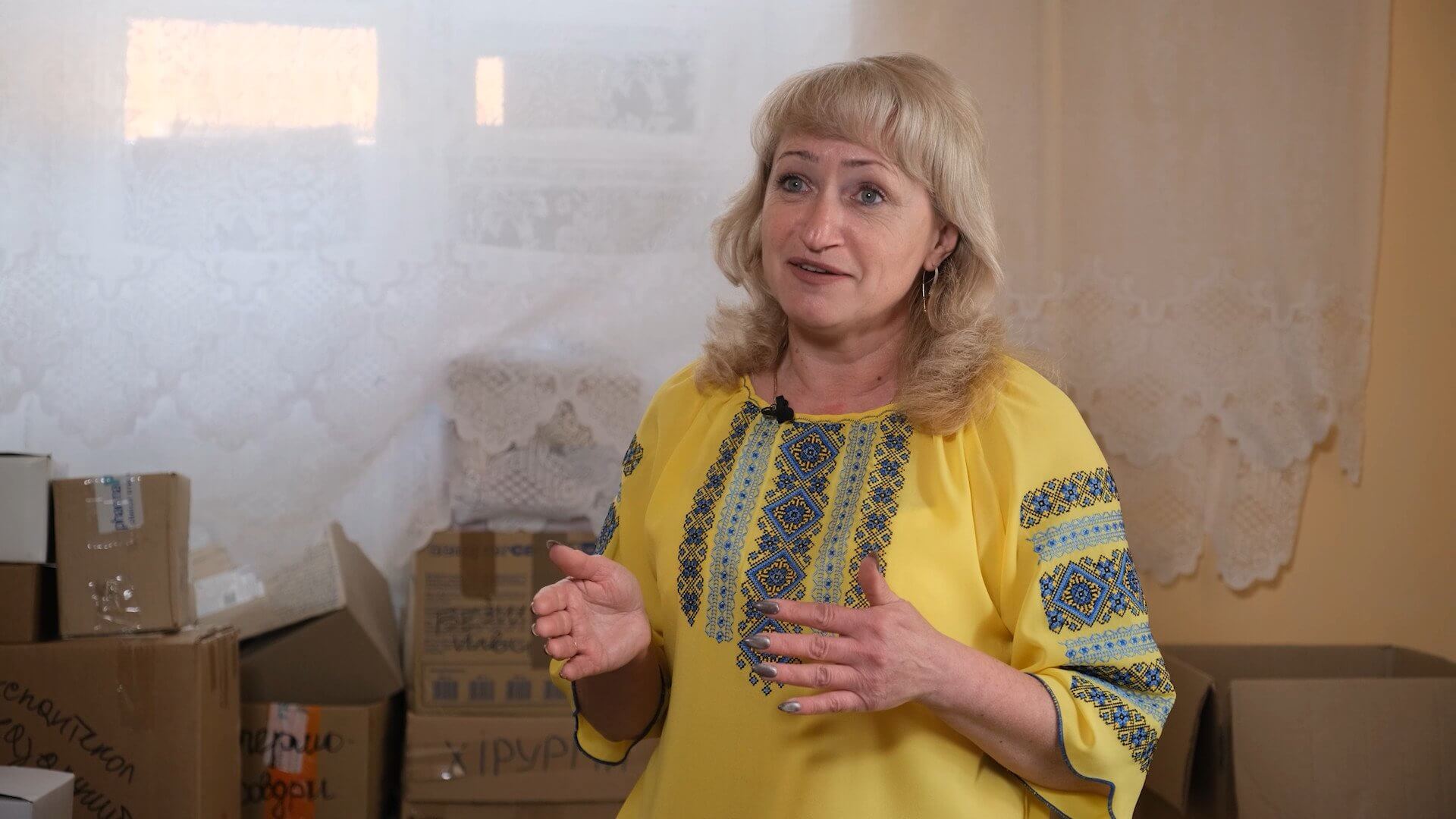
The head of the Charity Fund “Volunteers on Kontorska,” Inna Yatsyna, shared that:
– Serious volunteer work, when I began taking responsibility, started in 2018. After my son was wounded, I promised myself that I would never leave his comrades, who helped him in time and took him to a safe place. Before that, starting in 2014, when my son went to war, I also volunteered, but not as I do now. My son’s injury was the catalyst for me to take on this responsibility. I made a promise to myself and God that I would never abandon it.
– When did you start the activities here?
– The activities here began in 2021, meaning the full-scale war found us already here.
– Please briefly tell us what you do.
– Before the full-scale invasion, when the military asked for medicine, or other things, we would collect funds and never turn them down. We also helped soldiers who were left in difficult situations, sending them a portion of money. We also ran a campaign – dressing soldiers in embroidered shirts in a hospital. This was a project with the Semyduby community. I had such a dream, but I couldn’t fulfill it for a long time. Then Yaroslava Pshenychnaya called me and said that they wanted to make my dream come true.
In every educational institution in this community, in schools and kindergartens, they raised funds for those embroidered shirts. We went to Klevan and gave them to the soldiers – I will never forget that. The soldiers cried and said that they had never received such gifts before.
We started with nets, but we understood that we needed resources from somewhere, we had to look for money. We started running charity lotteries and collecting recyclable materials. We organized fairs and continue to do so successfully. Wherever we were invited, we went, and thus we cooperated with other communities. We also sell flowers and make themed bouquets for all religious holidays.
– What is the schedule for volunteering?
– We have shifts, and we’re essentially open here 24/7.
“Even when the war ends – we will have a lot, a lot of work.”
– What is the hardest part of volunteer work?
– The hardest part is when you can’t help. When there are so many requests, and you realize you can’t handle it all. It’s difficult when people don’t understand that we still need to help financially, we need to support the army because our victory depends on it. Because we delay, we take too long to gather, and then it turns out there’s no one left to pass the necessary items to. That’s the hardest part.
– Do you have any plans for the future, and could you share them? – I think this activity will be with us for a very long time. If you are a volunteer, it’s forever. You will not be able to do otherwise. Even when the war ends – we will still have a lot, a lot of work. Our help will always be needed in any case.
– If you could dream, what superpower would you want to have?
– I would like to have a power that would end this war as quickly as possible. I would like to attract many donations, so they just keep coming. And that we would buy drones, quadcopters, and thermal imagers for the soldiers. Every volunteer wants to help the military as much as possible.
“People drink coffee, walk through shops, laugh, and don’t even stop to pay their last respects to a soldier.”
– – What would you like to add to our conversation?
– People in Dubno have forgotten that we are at war, they live their own lives. Recently, for example, at a funeral. You stand there, and it’s better not to look back, because you step into another reality. Here they bury a hero, but there are no people. But as the priest said, the soldier didn’t die just for this group of people standing on Maidan, he died for all of us. You return and see people drinking coffee, walking through shops, laughing, and they don’t even stop to pay their last respects to a soldier. It is very scary that people do not understand that this is a war, and it needs to be ended sooner. There are a lot of people who can afford to help, but we constantly see the same ones. There are people who have something to lose, but they are not in a hurry to help. And all of their good fortune can disappear in a second. People live their usual lives, and it reminds me of 2016-2017 when everyone got used to the war. Many didn’t know about the volunteers on Kontorska (Street), but as soon as the war touched someone, they immediately looked for volunteers. Here, everyone except me has a job, but they come during their free time, on their days off.
“If we add 40 hryvnias to 40 hryvnias, together it will add up to a nice sum very quickly.”
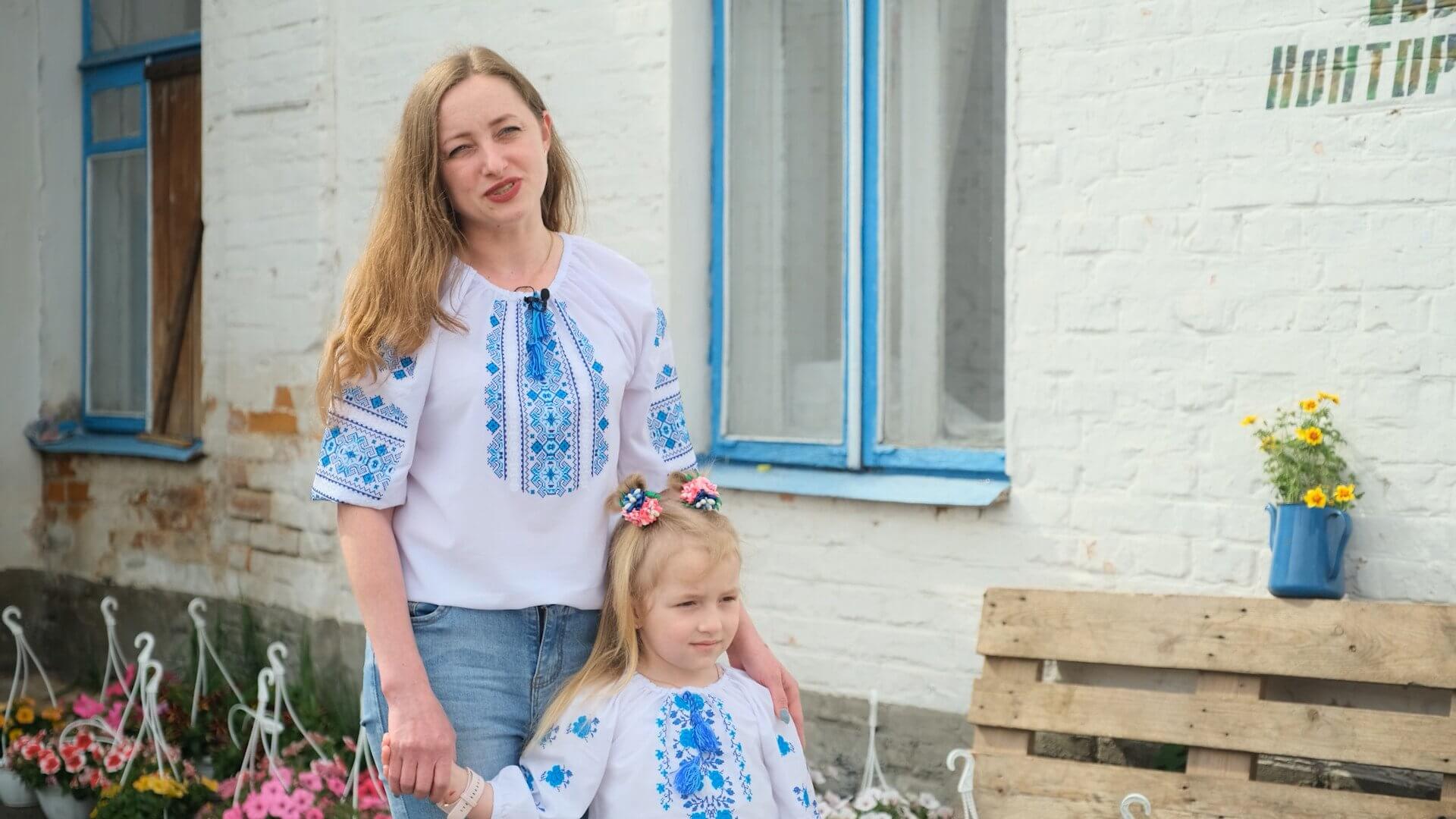
When we had to raise money, we started looking for options. One of the possible and implemented options was a lottery on social media, with the funds being transferred to the charity fund’s account.
The details were described by the author of the idea, Kateryna Bahniuk. And her assistant – her daughter Zlata, who will be only 5 years old this summer, said she joined because she wanted to volunteer to help the soldiers. -The idea for the charity lottery came when we realized that some time had passed, and we needed to somehow help find funds somewhere. Then we started organizing fairs. Folk artisans brought their handmade crafts. After people joined in, there were many products. And very beautiful wreaths, made by a girl with her own hands, were just lying there waiting for their time. That’s when the idea flashed to me: why not try holding a charity lottery.
Anything new is always scary because you don’t understand if the expectations will match reality. But I received support from my family and the volunteer community, so I decided to try. And thus began the life of the charity lottery – with two handmade wreaths by Khrystyna Khomedyuk. Two or three lotteries went well, people were interested, and then they slowed down. I began looking for reasons. The ticket cost 40 hryvnias, the prizes were really great, the fact that you could help our soldiers and get a nice surprise as a keepsake, but I didn’t find any answers. Then I started calling people more, comparing what 40 hryvnias are worth nowadays – a cup of coffee, a chocolate bar, ice cream, etc. We can do without these, they are not necessities. And if we add 40 hryvnias to 40 hryvnias, we will get a nice sum very quickly. And people began to listen and join in.
– Are there any downsides to running the lottery?
– – Sometimes I’m very disappointed because in the charity lottery, it’s often the same people who participate. Although we offer different prizes that are suitable for adults and children, we want it to be interesting. I never get tired of thanking people for their help. It’s pleasant and nice that new participants are joining. It’s cool that we can do something together and help the guys and girls who are defending us.
“Donors give us products or service certificates, and we raffle them off.”
– How many lotteries have you organized in total?
– Together with my assistant – she nods toward her daughter Zlata – we have already held 62 charity lotteries. And we’ve raised approximately 200 thousand over almost a year.
– Do you have to pay for the lots?
– No, we don’t pay for them. Like-minded people, donors, provided the lots for us. In fact, all the lotteries are based on donors giving us products or service certificates, and we raffle them off.
– How does your daughter participate in organizing the lottery?
– Zlata is my little idea generator because, in reality, she pushes me to do something new. And when she heard that we had already held 60 lotteries, she said, “Mom, let’s change something.” I said, “Let’s do it.” “Now I will determine the fate of the winners. Now I will draw instead of the randomizer, and we’ll send the randomizer on vacation.” And now Zlata chooses the winner. The essence remains, but it has become much more interesting. They even tell me, “Soon you’ll be unnecessary on the air” (laughs).
I agree, I’ll just help out. During the last lottery, Zlata also urged people to weave nets to hide soldiers, cut ribbons, and sort waste.
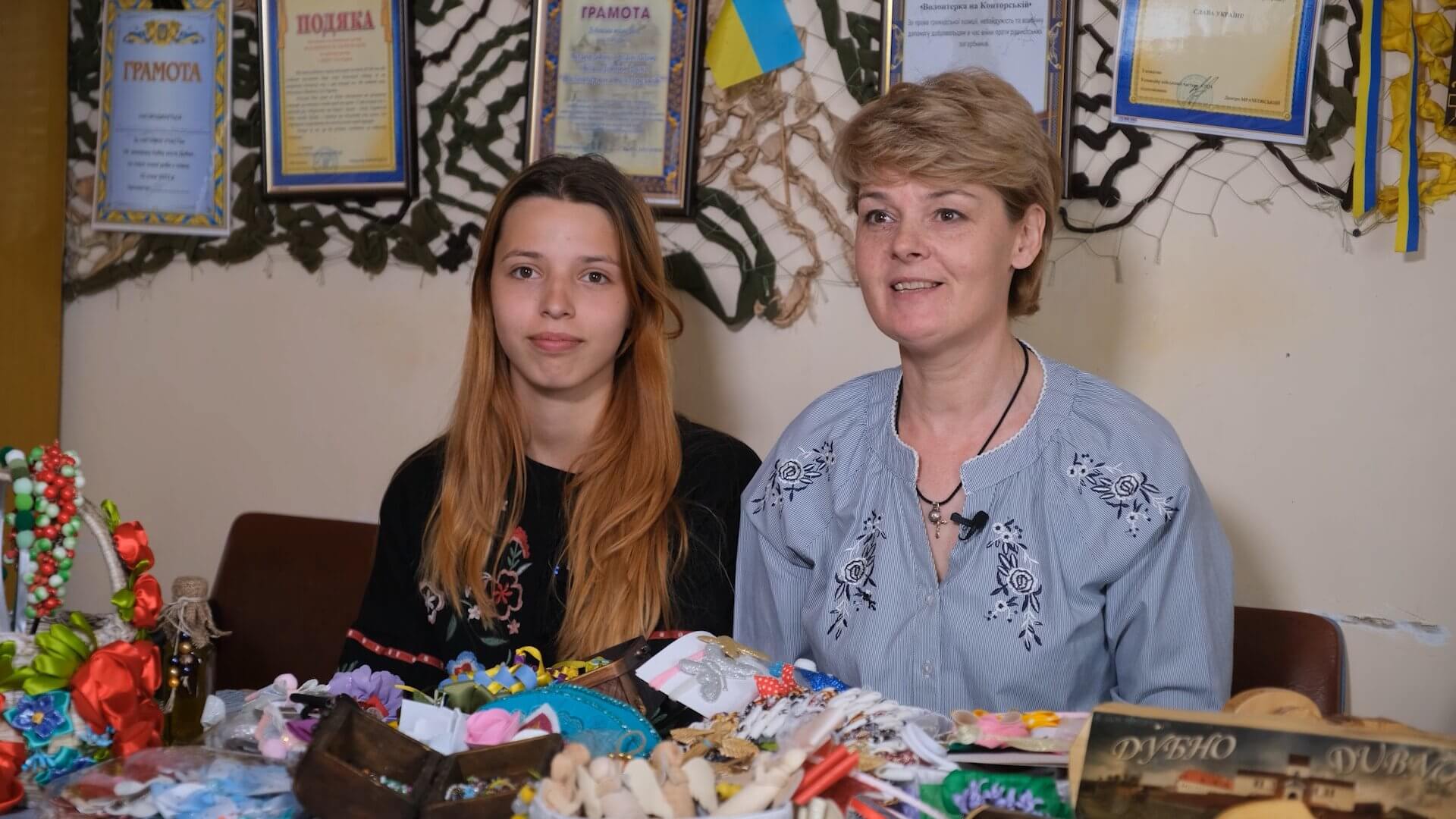
Fairs can be of various types, including charity fairs. The funds raised go to good causes. The first fair for the volunteers at Kontorska was shared by ninth-grader Pavlina Yatsyna, who combines her studies, after-school activities, relaxation, and active volunteer life. – The first fair was at the castle. We were lucky because there was a restaurant nearby, and the kids had their graduation. They flocked to us, buying various decorations, playing the lottery, and constantly running to us, – says Pavlina Yatsyna. – And we manage to combine everything because we want to win. And I am very grateful to my mother for raising me this way. It’s really fulfilling for me to help. I invited my friends, and they came.
Another active participant, volunteer Natalka Hrabazhey-Hunt, adds her thoughts about the fairs:
– The idea of the fair is great because there are people who don’t have money but have their handmade products. Initially, it was children’s products, and later, adults joined in. We were invited to villages for various celebrations and concerts organized to support the soldiers and raise money. There are really beautiful products, like those from Serhiy Yakovchuk. He probably gives us everything he can without mentioning a price. “…The main thing is that it goes and helps.” There are valuable and very beautiful products. Over time, we started giving them to Katya Bahniuk’s lottery, because we understood that we couldn’t sell them for the money.
“Are you the ones with the lottery? Will you have the lottery?”
Next, to interest the children even more, there was a no-loss lottery, which took first place at the fair. The idea is that there are many small items. How much will they sell for? That’s how the no-loss lottery was born, where there is always a win – and everyone is happy.
– So, did the lottery “work” for people, as they say?
– The lottery is so popular that recently, when we arrived in Onyshkivtsi, the kids ran up to us and asked, “Are you with the lottery? Will you have the lottery?”
We couldn’t even set up, and they were already waiting – “Where’s your lottery?” The children are very interested. They stay with a gift, and we always explain that the money will go toward a certain fund to help the guys. Then we are united, all together, and we realize that we will win.
– Has it ever happened that someone organizes a fair, and you don’t have any products?
– Yes, it has happened. Then we would write and call each other. There were even times when people couldn’t make anything, but they would buy and bring it to us.
They even brought their beautiful things – something for the kids, sets of dishes. Special thanks to Olga Suprun, who designs our beautiful items. We also have bakers who constantly bake for the fair. These are Yulia Sydorkevych, Aliona Kurochkina, the girls from Rachyn, I apologize for anyone I haven’t mentioned. When we write that treats are needed for the fair, people bring them and don’t even want to be named.
“There were so many people that there was no place to stand, no space to put your foot.”
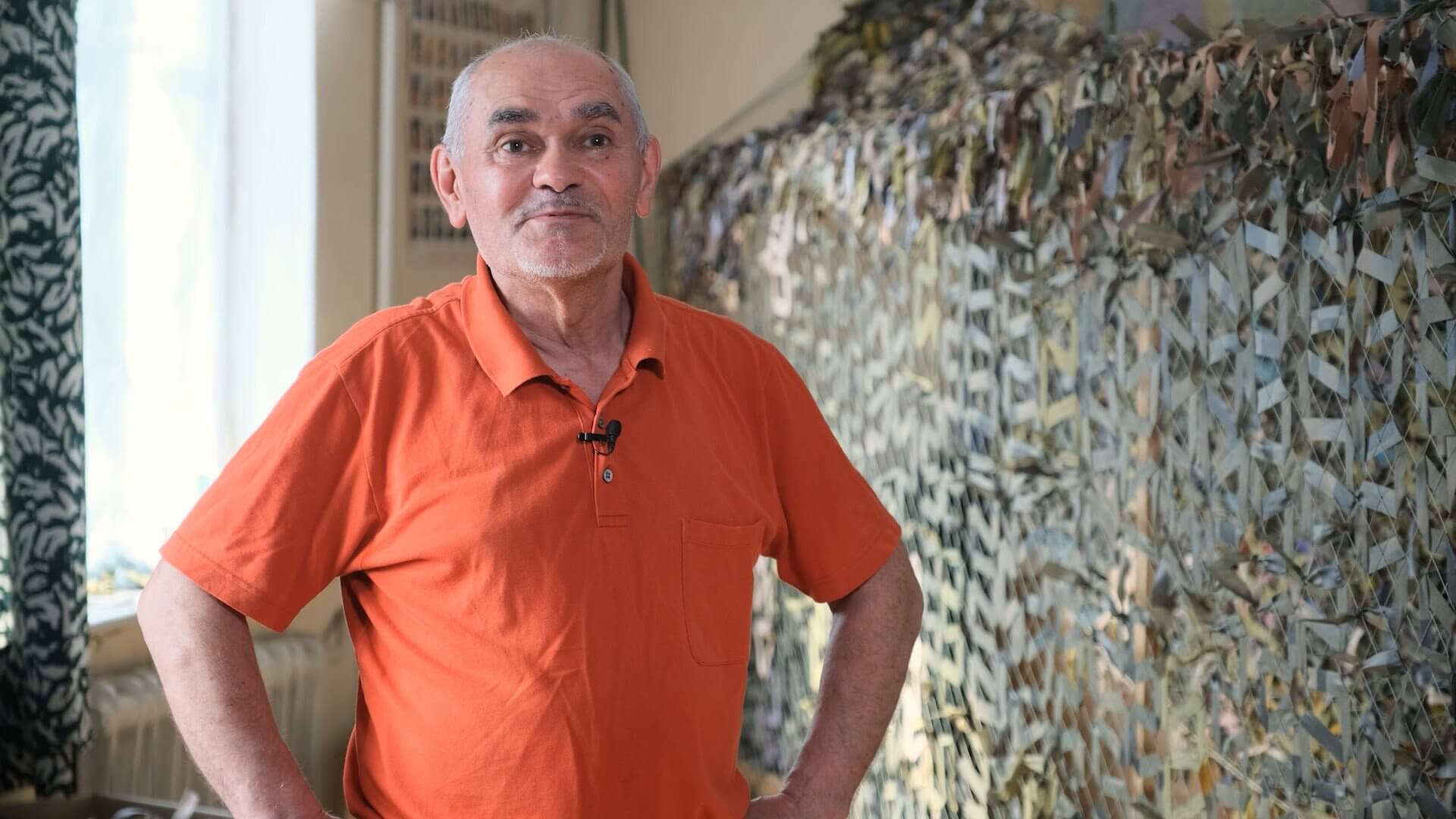
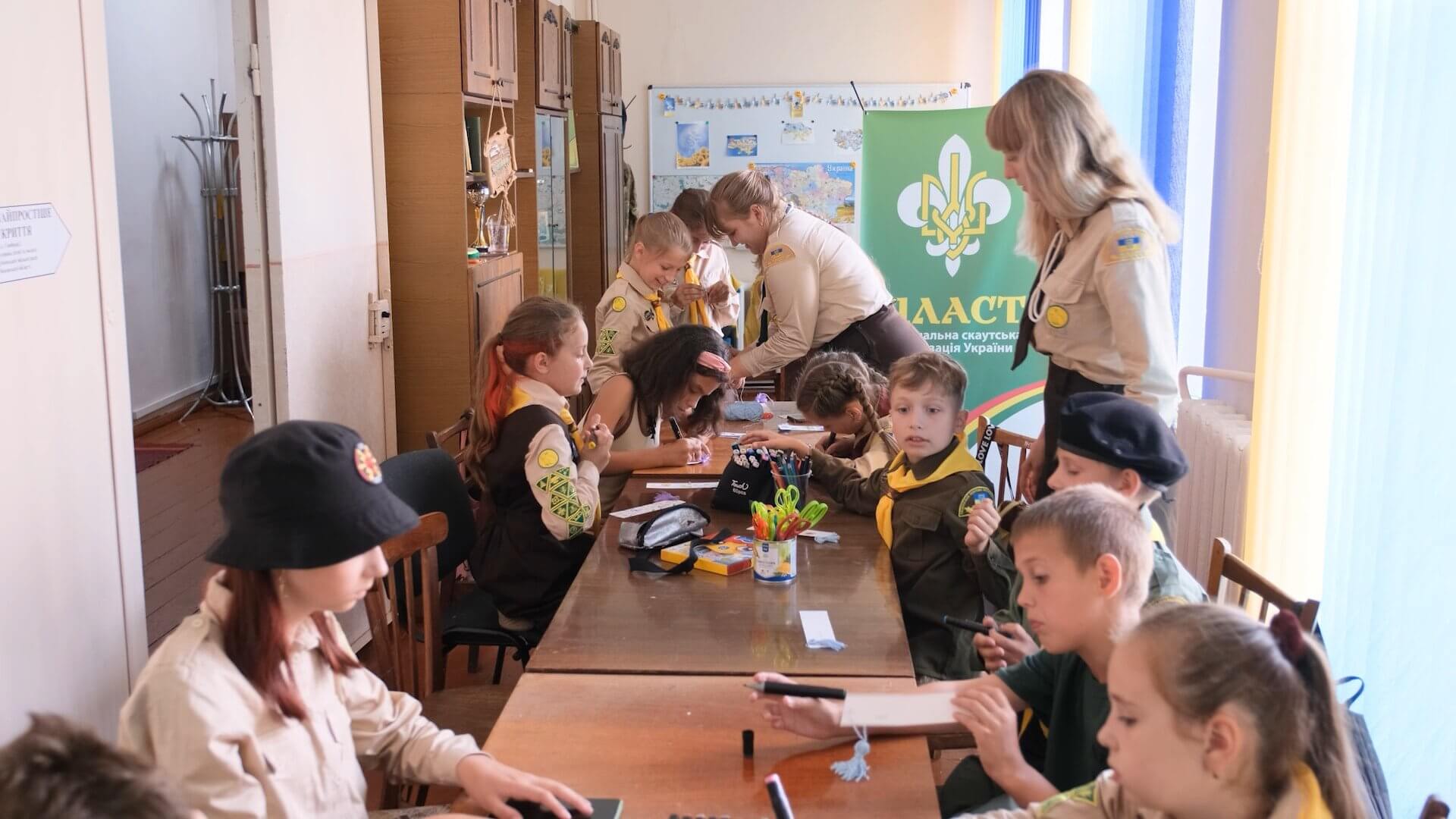
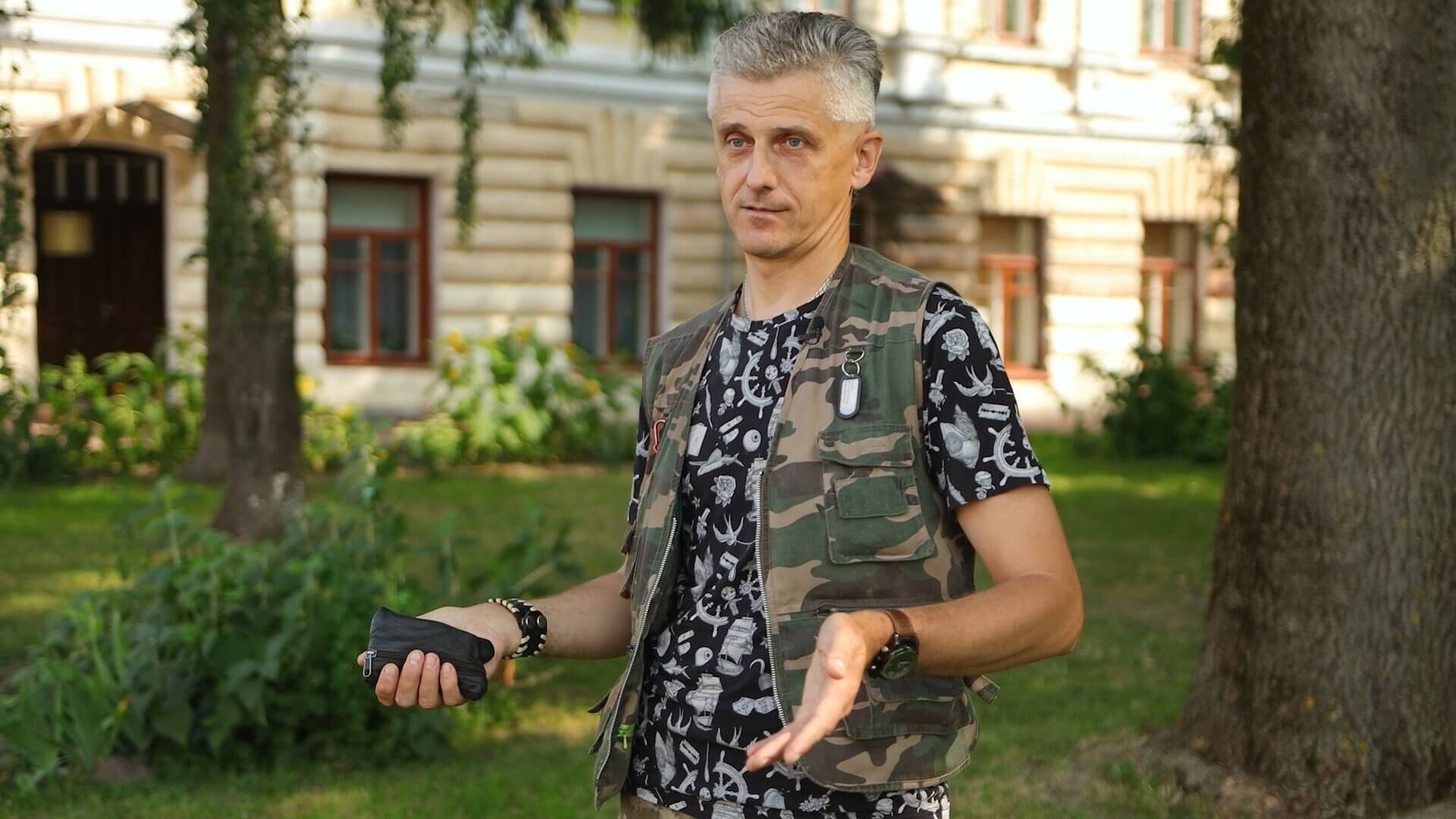
Nets can be woven not only by volunteers but also by people who have never done this before. At the volunteer center, they will be taught how to do it. Overseeing the process, painting the fabric, showing the willing ones – all this is on the shoulders of Bohdan Bardetsky.
– Tell us how you wove your first net.
– Since I appeared here, I’ve done a lot of different work, but I didn’t even get a chance to approach net weaving. There were so many people that there was no place to stand, no space to put your foot. They wove several nets a day. We used various techniques learned by participants. Some, mostly women, cut the fabric into strips, and others wove. I had my own work: groceries, warehouse, carrying loads, loading transport. Then, somehow, I ended up trying to weave a net. The girls showed me how it’s done, and it turned out to be not as difficult as it seemed at first. Then Mrs. Inna asked me to weave one side during the night shift because we needed to deliver the net in the morning. And so, I made one part of the net myself.
“Thank you for the net, because it saved us.”
– There was a shortage of necessary fabric, how did you deal with that?
We “destroyed” a lot of clothes, but they were reborn – turned into nets. A lot of the fabric was of such a color that it didn’t fit the camouflage nets. So the idea came up to change the color. Initially, there was an idea to use some natural dyes. But such dyeing is not durable or strong. Thus, we switched to buying special fabric dyes. And since then, we’ve been dyeing according to a specific technique, and we have the necessary tools for it.
– Did you encounter any problems?
There haven’t been any particular problems. There are no misunderstandings or complaints. Everyone is satisfied, they say: “Thank you for the net because it saved us.”
It’s very pleasant to hear, and we need to focus on that.
– Are you teaching people how to weave nets now?
Recently, almost everyone already knows how to do it. Also, there are various options and different weaving methods. We also change them ourselves, depending on the tasks set. But if there are such requests, we will definitely show, demonstrate, and teach. Very often, you can see nets in videos or photos – beautiful, spectacularly made.
But I believe that the net should primarily do its job – camouflage. It should be close in color to nature: the greenery of trees, grass, shrubs, the surface of the earth, and, moreover, everything that can happen in war – black ash, gray ash, clay, sand, stones – all this needs to be considered. Anyone who comes here can easily handle the work. It’s all very simple. Children from school and college come to us. You just have to explain it well – and everyone handles the work. There are even methods where younger school children can easily perform it. So we’re waiting for everyone. No one will regret spending at least one day, at least one hour in our environment.
If children can handle net weaving, then without education and knowledge, you cannot manage with medicine. Tetyana Bahniuk shared about this important area of volunteer work.
– How did your volunteer activity start?
– On the first day of the full-scale war, knowing that my daughter was constantly volunteering, I started coming here as well. I started cutting ribbons for nets, helping with whatever I could. Then I went to volunteer in the Dubno security platoon and stayed there for a long time. I work as a medic, so in the mornings before work and after work, I would pack and sort medical supplies. Here, at Kontorska, we had a whole team. Well, it just so happened that some had work, some had school, some had family problems, so I was the only one left.
“In the morning – at seven or six o’clock, you arrive and pack first aid kits for the guys, because their lives depend on it.”
There is a constant need for medical supplies. They need to be sorted, they need to be sent. We send them to hospitals, directly to the guys. Inna called: “It’s needed.” That means it’s time to get to work, in the morning – at seven or six o’clock, you arrive and pack first aid kits for the guys because their lives depend on it. They truly need them.
– What do the soldiers need most often?
Most often, it’s tourniquets, when we talk about injuries. Also occlusive bandages, Betadine. Mainly, it’s dressing materials.
– Where do you get all of this from?
Volunteers also help us. Including those from abroad. Many of my friends are from abroad: Switzerland, Portugal, Italy, Norway. When they saw on Facebook that I was volunteering here, they started sending us parcels. Despite having their own volunteer organizations abroad, they also help us. Since the start of the war, they have been helping with clothing, diapers for IDPs, and medical supplies.
– It’s been over a year of full-scale war. Do people help less now?
You see, people from abroad, who were helping, continue to help. And for some reason, they help more, and they believe that everything is going in the right direction.
But our people have become more passive. I come here, take the fabric, and cut it at home when I have time: in the morning, in the evening. I show this on my Facebook page, urging people to join, showing that it can be combined with main work and other obligations. I also have a family, obligations, and work. It can be combined. But people are skeptical about it. There were even such questions: “How much are you paid for cutting?” “Well, you go, you cut, as if this is for free?”
– Are these people from Dubno?
– People from Dubno, my colleagues, and even friends. But I am very grateful that, in the meantime, I have a lot of friends, acquaintances, and colleagues who believe that everything will work out in Ukraine, that something will change, and that our guys are giving their lives not in vain.
– – And what positive things do you recall?
– The positive thing is that we have such a great team here. The people are simple, and it’s very pleasant to communicate with them. People with whom you can solve different problems. I’m very happy and proud that my daughter is here, and even more so that my granddaughter is here. I also have three more grandchildren, who also came, helped, painted pictures, and sent parcels. The most emotional moment is when we send a parcel, and we receive a report from our soldiers: “Thank you, it all helped us.” It’s so pleasant to hear!
– Who would you like to thank?
– I want to name my godparents from Spain and Portugal – Mykhailo and Svitlana Rohashko, my colleague-medical worker from Italy – Natalka Tsaruk, and from Norway – Nina Heleta. They constantly help us, always donate, send medical supplies, all kinds of parcels, and we are endlessly grateful to them. Although they always say that, first of all, they do this for themselves, as they are originally from Ukraine.
A separate area of activity for the volunteers at Kontorska is the collection of recyclable materials. This includes paper, cardboard, plastic, aluminum. The waste brought by caring people is sorted by volunteers, and then sent for recycling. The funds obtained are directed to helping the Armed Forces of Ukraine.
If you want to help the volunteers at Kontorska, you can do so by transferring funds using the following details:
Transfer in Hryvnias:
PRIVATBANK
4731 2196 4313 4889
IBAN UA153052990000026008000714164
Payment purpose: charity donation for the Armed Forces of Ukraine
MONOBANK
4441 1144 6865 8396
Payment purpose: charity donation for the Armed Forces of Ukraine
For foreign currency
5168 7451 1545 0014
Payment purpose: charity donation for the Armed Forces of Ukraine
PayPal acinainna@gmail.com
Charity organization “Charity Fund ‘Volunteers at Kontorska’”