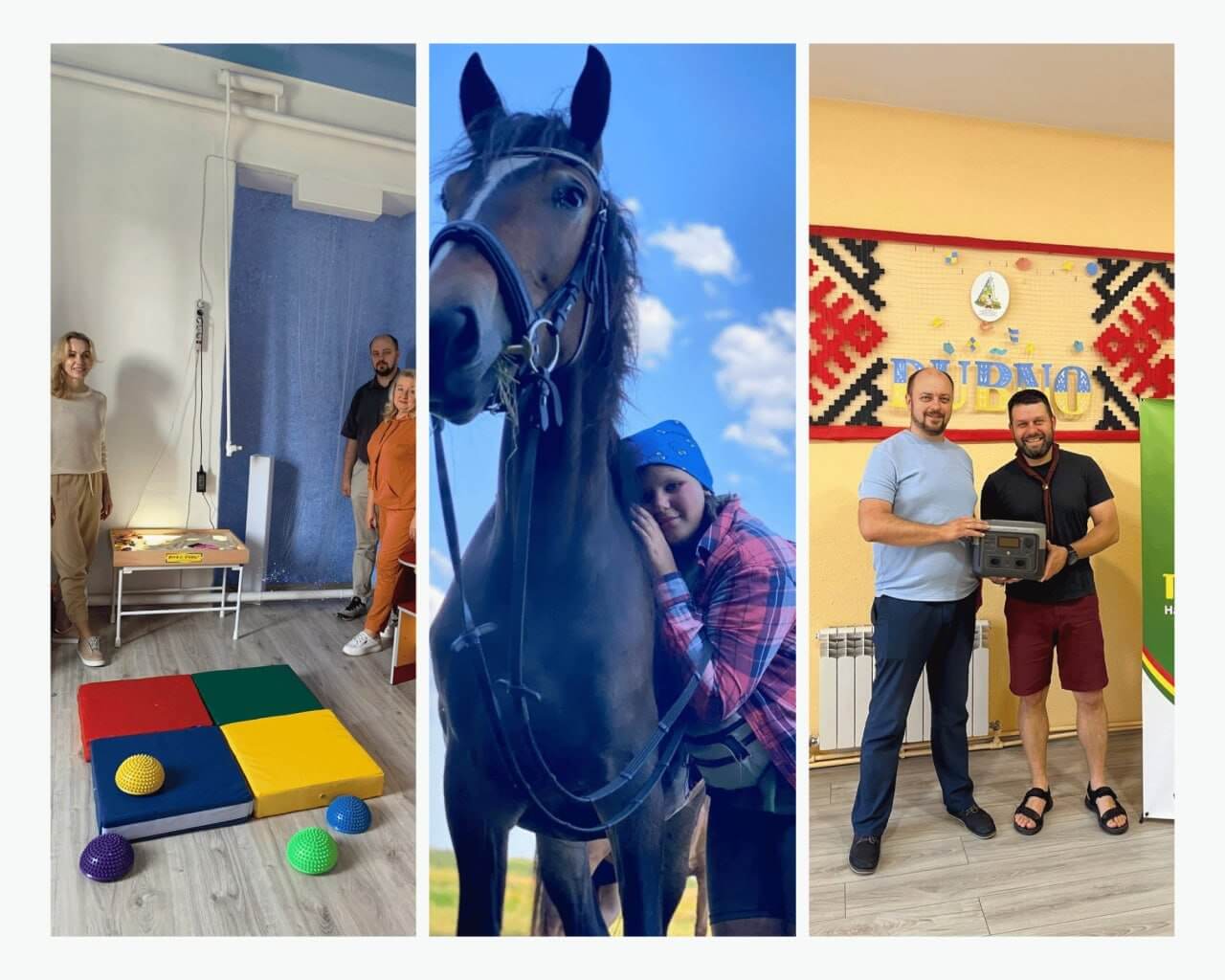

Oleksandr Pakhai and Borys Pavlushko on their activities during the war
The February invasion of Russia into Ukraine affected not only the areas that are occupied/recaptured or where active combat is taking place, but also life in the rear regions.
Collecting money, buying necessary supplies for defenders, cooking homemade meals – this briefly describes the activities of people who do not consider the war to be “somewhere else.” Some unite on their own, while others under the guidance of a mentor or leader. Often, this role is fulfilled by church ministers. What they have in common and how parishioners unite – pastors of evangelical Christian-Baptist churches and Evangelical Christians in Dubno shared with the team of the “The Charitable Foundation of the City of Dubno ‘Dobrobut.'”
“… for us, this is a significant date.”
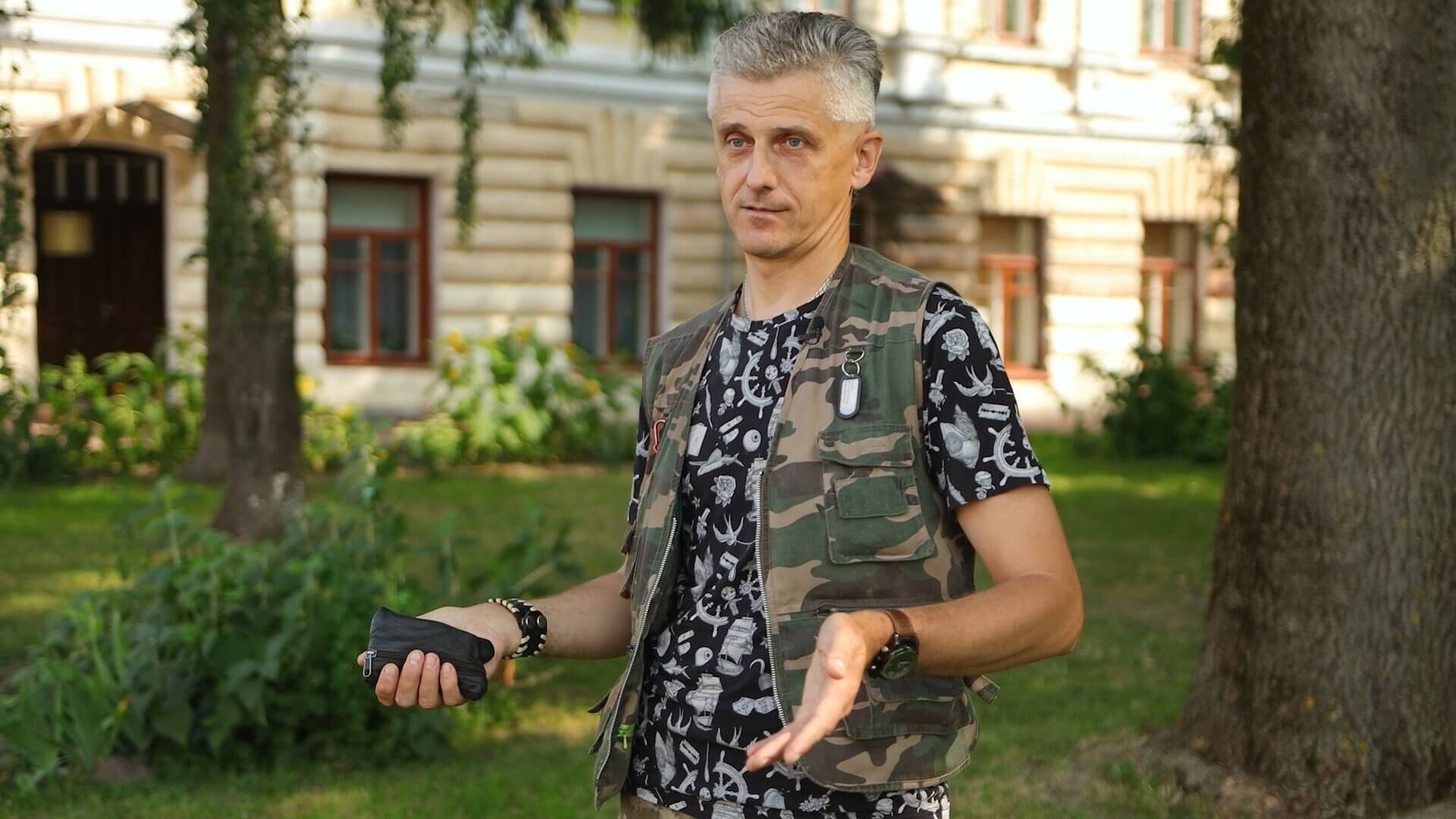
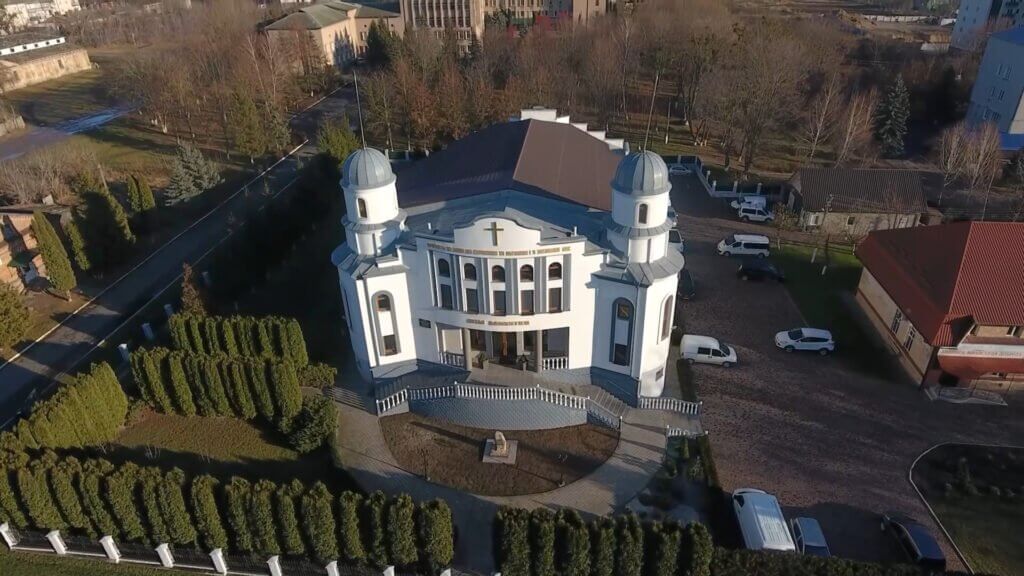
– The full-scale war caught us by surprise. On February 24, we had planned a family camp in the Carpathians. We had packed our bags, booked the bus, paid for the base, and were supposed to leave at 8 a.m., but the war started at 4 or 5 in the morning. Therefore, for us, this is a significant date, recalls Oleksandr Pakhai, pastor of the local Evangelical Christian-Baptist church.
– But over this year, evangelical believers were active. In our church, we set up a temporary hub for people who were relocating or evacuating, mostly from the east or the center of the country. For one, two, or three days before leaving for abroad, they stayed here in classrooms that we converted for this purpose. Some stayed – we helped them with clothes and some food. We worked with internally displaced persons, taking lists from the city council. Our friends from overseas helped us with funds, and we bought goods and distributed food packages to those in need. We had several trips with food: first, we went to the liberated Kyiv region when the Zhytomyr highway was opened.
We loaded the van with food and drove it to Kyiv. We were involved in the evacuation of civilians: several times, we sent vans and buses from Dubno to Fastiv. We were supplying food and building materials to the south and the Kyiv region. We worked with local soldiers, worked with the local military commissariat because the city council contacted us from the start for help with food. Therefore, for over a year, together with others – religious communities and local entrepreneurs – we fed our military commissariat workers to contribute to the war effort and victory.
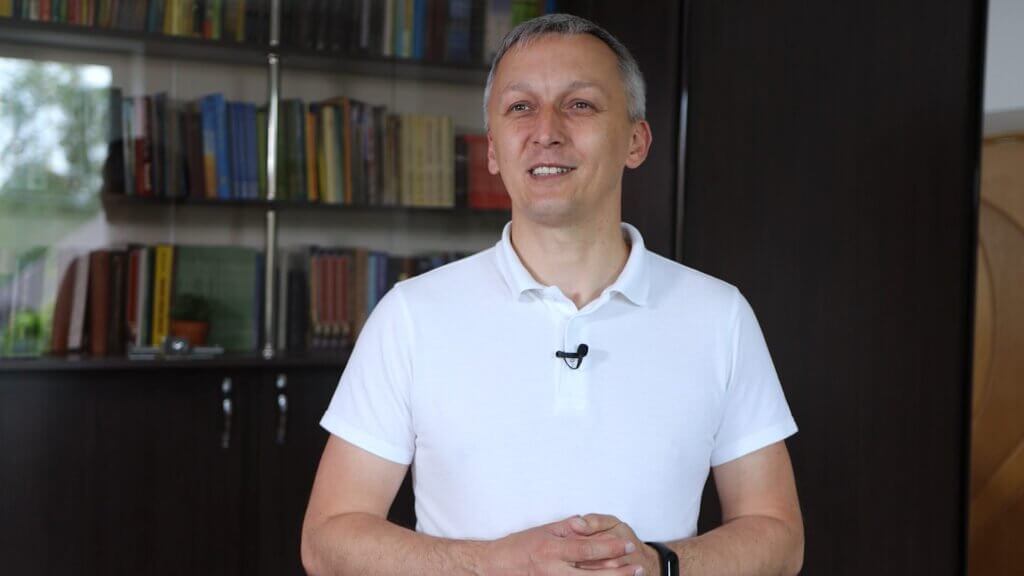
– What was most difficult for you? Were there any challenges in this activity?
– We did not face any special difficulties. But when many people arrive, they all need to be accommodated, and if they stay in Dubno, they need help finding housing.
– What case do you remember the most?
– Three women, three mothers, came to us, and they had about five or six children. When they were boarding the train in Kramatorsk, there was a huge queue, and because the children were so small, they were allowed to skip the line. They got on the train, it left, and then “Tochka U” missile hit Kramatorsk – many people died. And they said: “We should have been there, but God had mercy.” A reminder that they were supposed to stand in the queue, and God worked a miracle, and they stayed alive. They stayed with us for a few weeks, and then we helped them find accommodation in a dormitory.
– What was February 24 like for you personally?
– My wife was very worried, but personally, I had an inner calm. At the family meeting, we decided that we were not leaving, we were staying. And we will do as much as we can.
We also gathered as a church.
“They eagerly help, donate their money, work, help pack food, just like bees in a hive.”
– You mentioned the church – do people eagerly participate?
– Eagerly. For example, when we had trips, making dumplings, baking pastries – people happily joined in. They eagerly help, donate their money, work, help pack food, just like bees in a hive. Many people, both older and younger, want to contribute to something important. Typically, there is a healthy response to healthy needs. We do what we can. There are requests from internally displaced persons in Dubno, we help public organizations that request clothes, and if there are requests from the military, we try to respond as much as we can. In March, there was a need – we sent a truck, 20 tons, with food and building materials to Kherson region.
– What superpower would you like to have?
– Patience. When a person has faith in God and hope – they are motivated by something. They are motivated by understanding that there is a certain purpose for a person, and we must fulfill it.
“… today, we are one day closer to victory than yesterday.”
– What would you wish for people?
– Do not lose hope. I like this mindset: today, we are one day closer to victory than yesterday. With this positive inspiration, do what we can. If we can do even more – we do more, without stopping. And in the end, everything will be fine, God will bless, and victory will come. I believe Ukraine will be reborn.
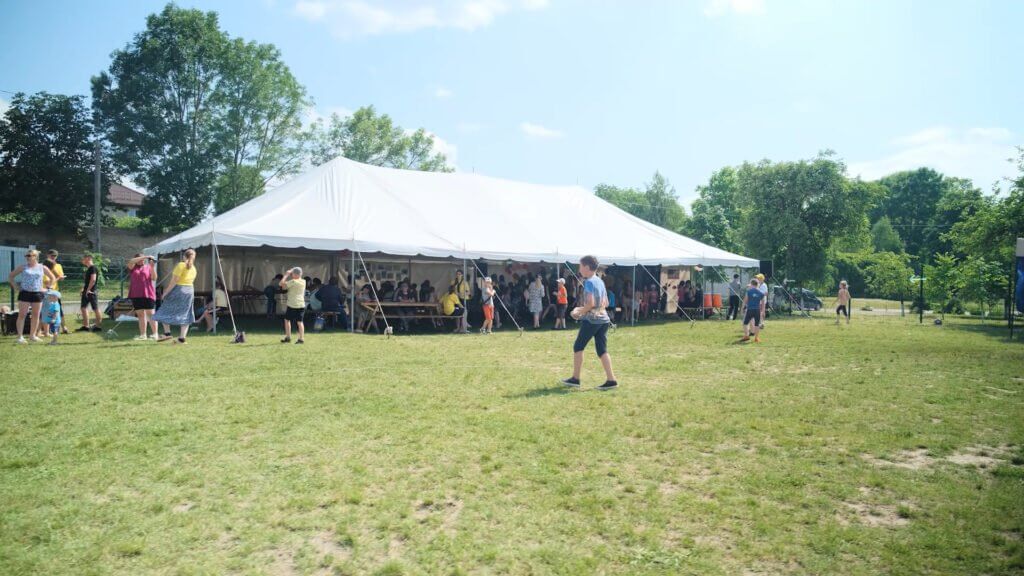
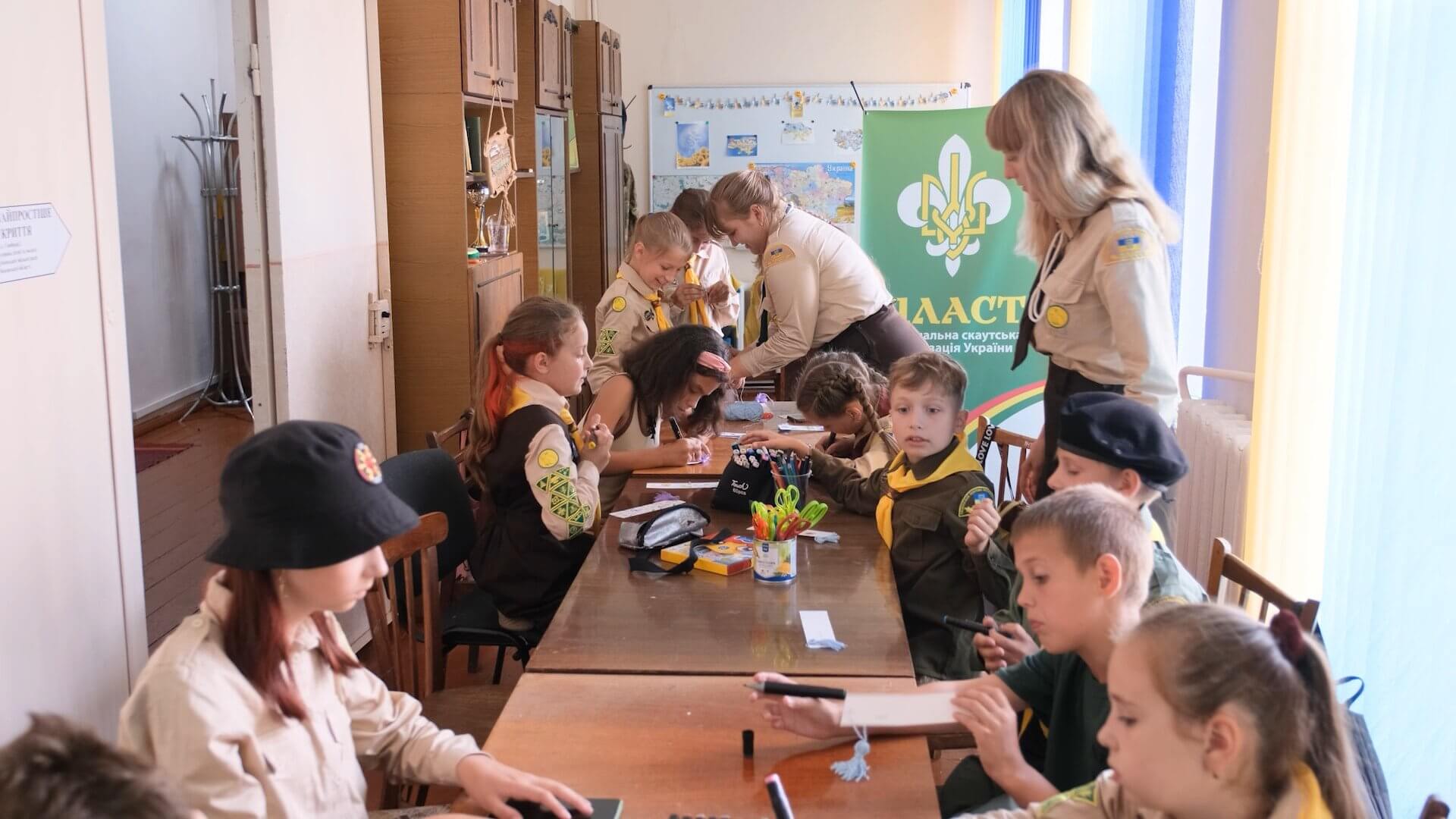
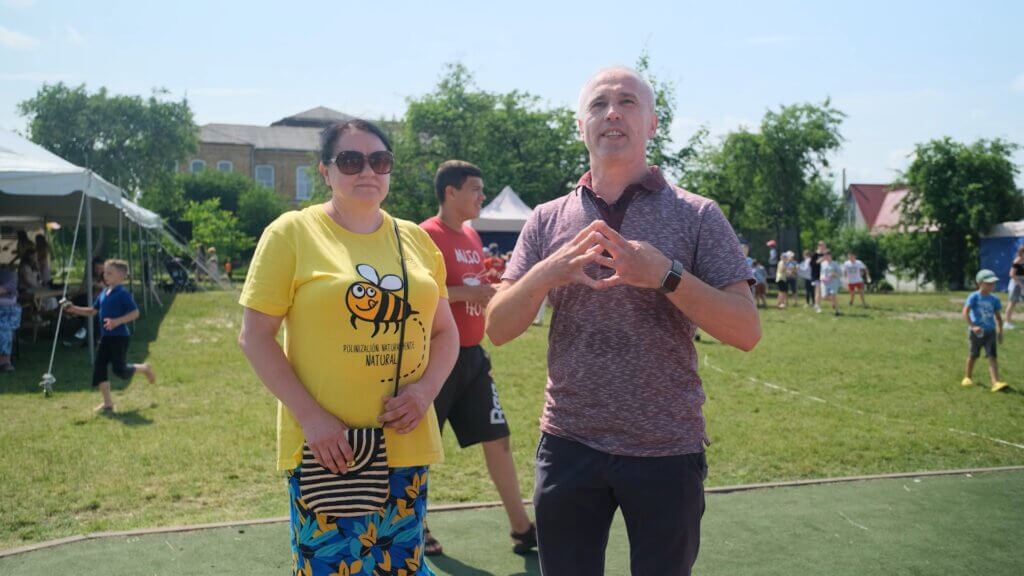
For two and a half years, the Pavlushko family has been coming from Rivne to Dubno. Borys is a minister of the Evangelical Christian “Word of Truth” church. Every year they organize summer camps for children. This summer was no exception (the filming took place during the camp in Dubno). And from the first days of the full-scale war, they organized a volunteer club, sending medicines to Kyiv, to the National Guard hospital.
– How did your volunteer activity start?
– We were very worried. We have 4 children, and it wasn’t easy to decide to stay. But after three days, we calmed down a bit, and after two weeks, we became calmer. Then we started doing something for the country. And, looking at others, I don’t think we are doing something so big, more than our people, Ukrainians. We love our country. We thank God that we were born in our country. We believe that the Lord is with our country, – says Borys Pavlushko.
“And every life is an entire universe”
– Briefly describe your activities over the past year.
– We organized a volunteer headquarters at our prayer house and called it “Kovsh.” We started collecting funds and sending them to our military. Then we switched to medicines, sending them to Bakhmut and Kramatorsk. By the way, Dubno is one of the cities with many casualties. And every life is an entire universe. While walking through the city center, my wife Iryna and I thought about trying to serve these families who had lost loved ones. We accidentally met our close acquaintance Svitlana. She asked us what we were doing. When she found out, she said they had certain resources and that if we were going to do something, we should reach out. So when we felt called to work with families of the fallen and orphans, we called her. And that’s how we started collaborating. We even run this camp together with the charity foundation “Who Sows Generously, Reaps Generously.” Together, we bring joy to the children. And we want to continue this work.
– Please tell us more about the camp.
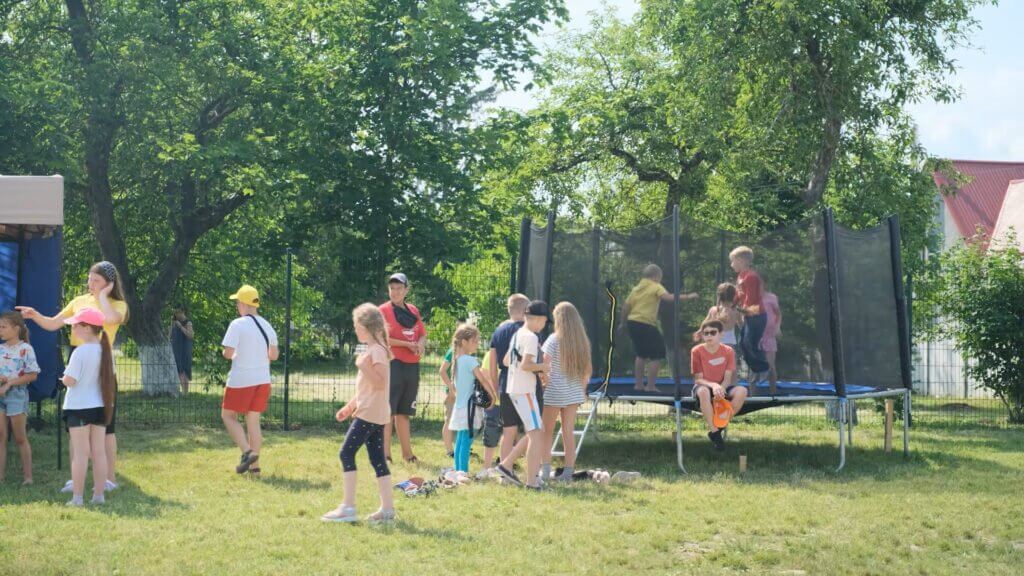
– This is the third year we have been running this camp for children. Last year, we organized 15 camps throughout the summer. One day a week, on Saturdays, we gathered the kids and ran the camp with them. But there are challenges with the team. It is difficult to assemble a team that can stay for the entire summer. So we decided that at the beginning of the summer, we would hold a four-day camp for children and then offer post-camp meetings for them. There, we will continue planning. And in our plans, we want to keep serving this city. Right now, we are distributing food packages. We collect money, buy food packages, and distribute them to people.
– Do you collect money from parishioners?
– From parishioners, from abroad, from kind people, from donations, from friends, from ourselves—everything like that.
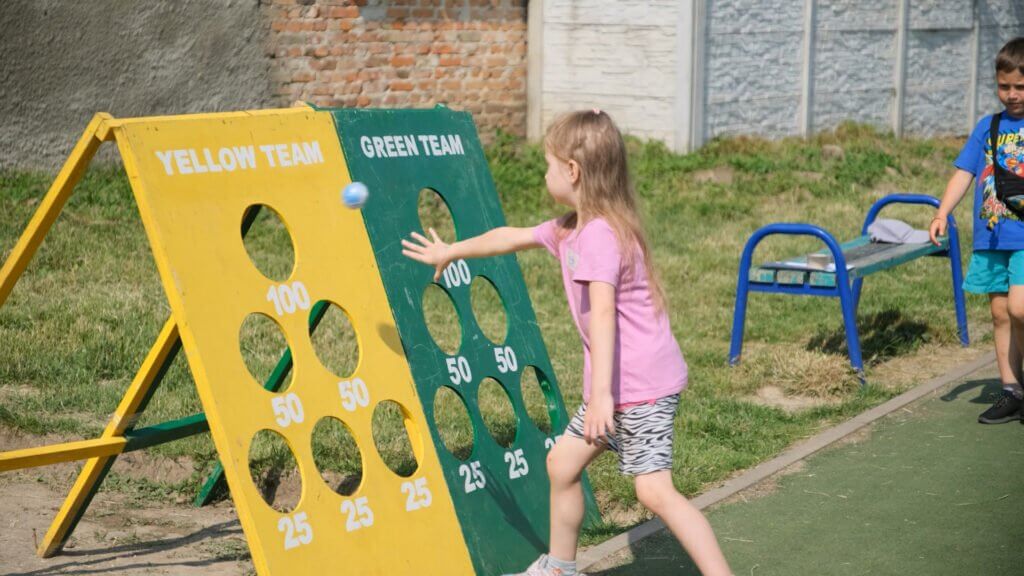
– Did you face any problems in organizing this camp?
– There are always difficulties in organizing, but we are learning to solve them. Glory to God, we only hope that the war will end soon.
“Ukrainians are a very, very powerful nation.”
– What would you like to add at the end of our conversation?
– First of all, we would like the price that our people and our country are paying today not to be in vain. That corruption disappears from our country, and Ukrainians do not just declare good ideas but start implementing them. We want the war to reveal the code of kindness. So that the whole world sees how open we, Ukrainians, are to the world, that we are not what the false and, forgive me for saying, even deceitful propaganda of our northern neighbor has described us as. In all rules, there are exceptions, but exceptions only confirm that there is a rule. Ukrainians are a very, very powerful nation. And we thank God for it. We are happy that we are Ukrainians, that we were born in Ukraine, live in Ukraine, and, hopefully, will die here.
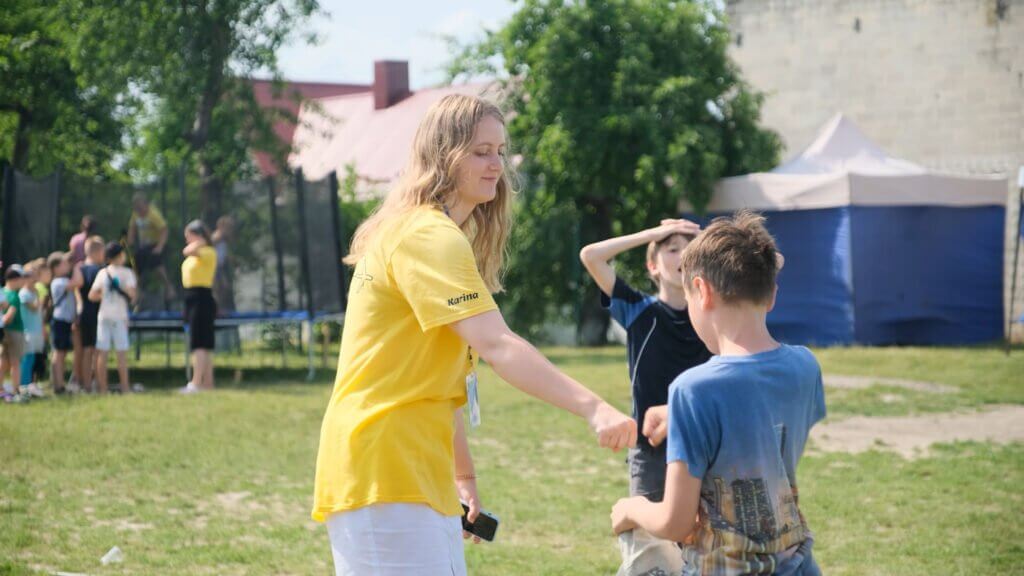
This year’s camp lasted from June 21 to 24 and covered about 150 children on the filming day. Its implementation was financed by the charity organization “Who Sows Generously, Reaps Generously” from Rivne. The director of the organization, Svitlana Lesiuk, explains:
– We pursue a plan to help orphaned children, children left without parental care, children with disabilities, and children abandoned during the war without parents. We help displaced children as well as all families left in extremely difficult circumstances. And in this way, with the help of many caring people, we try to sow kindness in Ukraine.
Our only goal is to divert children’s attention from the terrible situation of the past two years, even from the very word “war.” And we prayed for this camp, that God would allow us to conduct it without shelters, without moments of military interventions. Well, God answered us. For two days now, we have had no alarms and wonderful weather. Thanks to God.