
Didn’t Sit Idle: IDPs in Dubno on the Past, Present, and Future
The full-scale war caught many by surprise. People left their homes and evacuated to safer areas, to the rear regions. However, only a few have returned home since then.
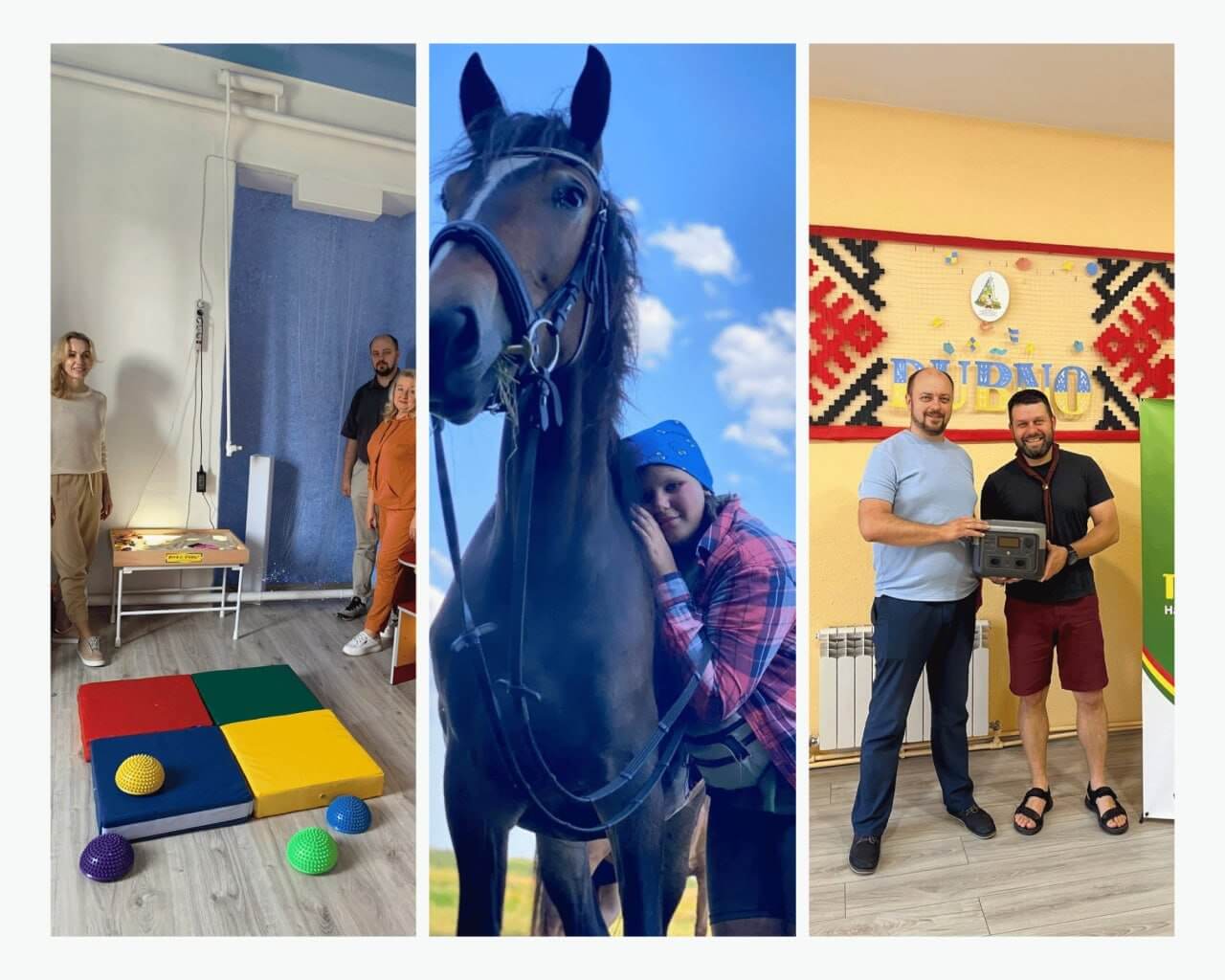
Internally displaced persons (IDPs) realized that this place has become their home—some temporarily, others permanently. Displaced persons who arrived in Dubno and the surrounding region realized that they couldn’t just sit idly by; they needed to help fellow IDPs, soldiers, and the country. Many of them now consider themselves locals and have contributed significantly to the community. The displaced women shared insights into various activities they have been involved in.
Svitlana Serikova, the coordinator for IDPs in Dubno, who came from Kharkiv, shared the story of how the group was formed:
– Our initiative group emerged because we saw that there was a tremendous amount of work that needed to be done. The local government could not handle such a large influx of people, and in general, these were significant challenges. They did a lot and provided support for IDPs, but not all needs could be met at once. We saw the need to help, and with a group of like-minded women we met while waiting in line for humanitarian aid, we decided to offer our assistance.
“We adapt to challenges, we are quite flexible, and we try to keep up with the times.”
We offered our help to the Red Cross, the public organization “Cossack Guard,” and later we joined the Dubno Community Foundation “Dobrobut.” We told them that we have hands, we have opportunities, and we want to help. And they welcomed us warmly, saying, “Let’s work together.” That’s how our initiative group was formed, and its core members continue working because we see the ongoing needs. We adapt to challenges, we are quite flexible, and we strive to stay ahead and respond to the issues facing IDPs today.
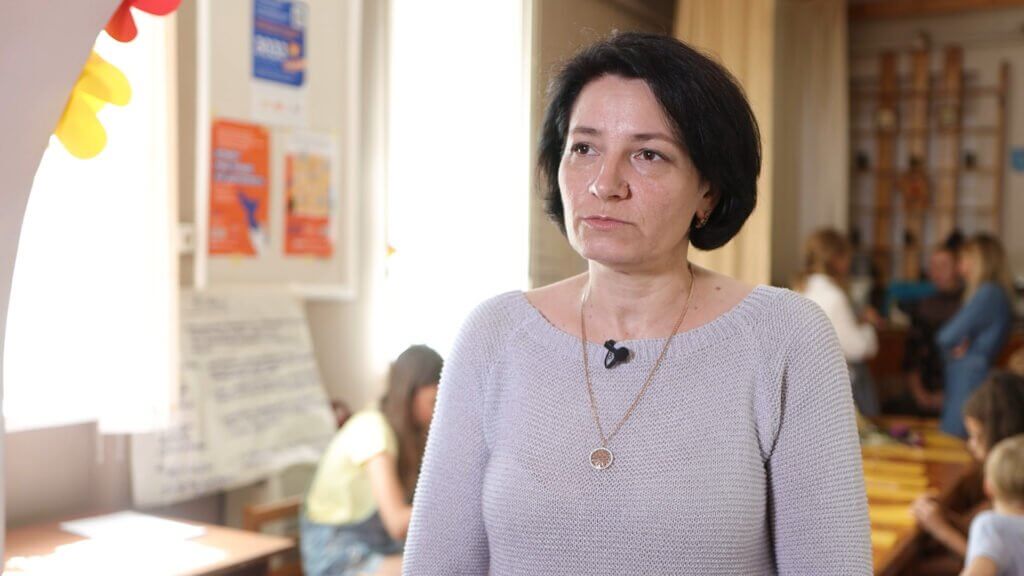
At the request of internally displaced persons, the Dobrobut team created an information platform where they could communicate and access useful information. Now, activists from the initiative group continue to update and maintain it.
– Currently, I am the administrator of the information chat for IDPs in the Dubno region. I independently search for various pieces of information that might be useful for people living here. I also find relevant announcements, a lot of information about humanitarian aid distribution, and details on filling out applications or forms that may assist our internally displaced persons,” says Yana Chubai from the same initiative group. She and her family moved to the Dubno region back in early 2017. Since the start of the full-scale invasion, together with local women, she helped distribute second-hand clothing and footwear at the “Ukrainian Beer” café. These items were donated by Dubno residents and European countries. They welcomed the first people affected by the full-scale war. That’s how they met Svitlana.
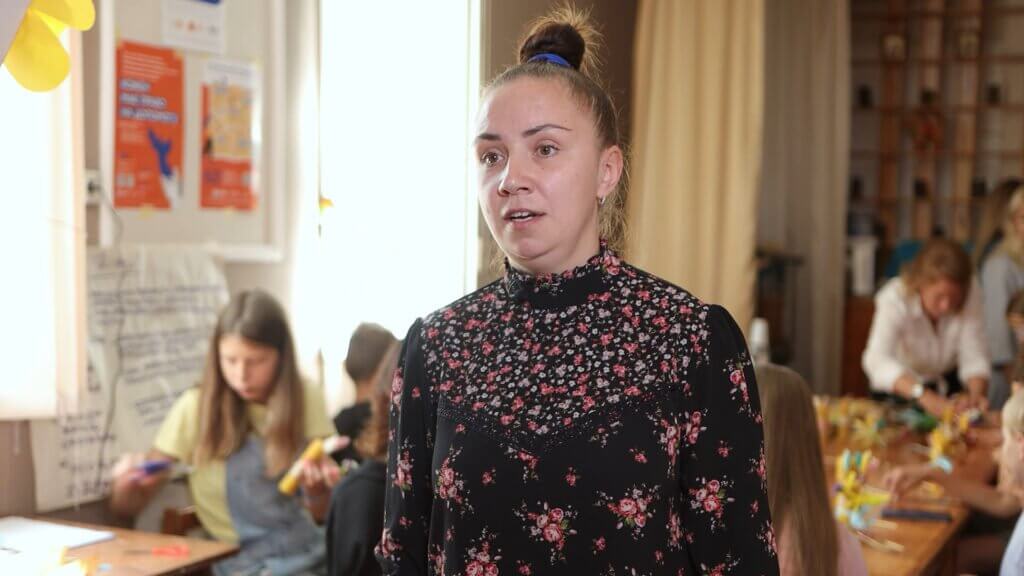
“By now, we have grown to the point where we are learning to write and submit grant applications and are already conducting activities ourselves.”
… We saw how the community of IDPs was evolving and began planning our activities. We started working with children and adults, conducting training sessions and workshops, and assisting charitable foundations with their events. By now, we have grown to the point where we are learning to write and submit grant applications and are already conducting activities ourselves. Moving forward, this initiative group will continue to evolve because people’s needs and challenges are constantly changing,” the coordinator continues.
“Thanks to the initiative group, which was formed before I moved here, I gained a lot of useful information,” says Ira Babak, a displaced person from the Mykolaiv region.
– I wanted to restart my business here because we understand that our family will stay in Dubno permanently, as we lost our home. Thanks to the initiative group, I discovered and attended an excellent training program in Truskavets, where I participated in a strong grant-writing and business restoration workshop. I plan to unite with the women from the initiative group and other IDPs who also want to restart their businesses, and perhaps even launch a joint venture.
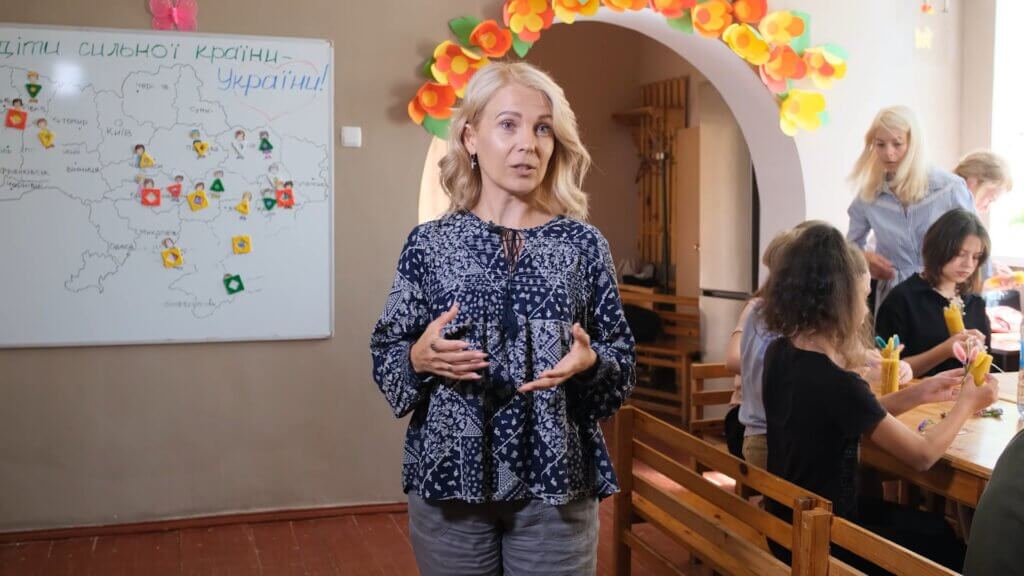
“People interact, communicate, children regularly gather, attend wonderful workshops, and participate in events that help them relax, unwind, and learn.”
The number of members in the initiative group fluctuates, as its core members are always happy to welcome new people who want and can contribute and help.
However, getting started was not easy at first, as organizing everything required effort.
– The first steps, the initial stages, they were very difficult but also essential. If you take my direction – it was coordination, informing, calling – at the beginning, a large number of people were needed, for example, to call and gather on a certain date. It was these initial organizational efforts and active engagements that led to the collective success we see today. And the result is fantastic. People interact, communicate, children regularly gather, attend wonderful workshops, and participate in events that help them relax, unwind, and learn,” notes Nataliia Shaporenko, who came from Chernihiv.
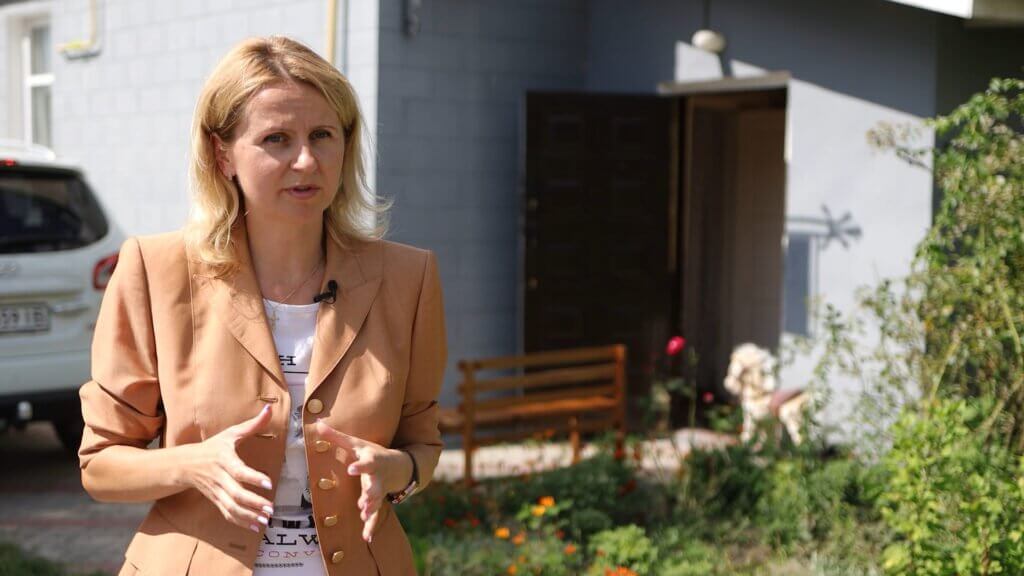
However, not everyone can adapt to new realities so quickly, especially those who have experienced stress or trauma. In such cases, psychological support is needed.
More than 150 IDPs have received consultations and therapy from Oksana Abramova, herself a displaced person:
– When I arrived here, I continued providing psychological support through the organization “Proliska” as part of the “Friendly Space for Children” project. However, the project ended, but both children and adults still needed psychological support. So I decided to provide free assistance to IDPs. Eventually, this led to the creation of my own organization, “NGO ‘Together for Action’,” through which I carry out various activities, including psychological support. We also closely collaborate with the initiative group “IDPs Dubno.”
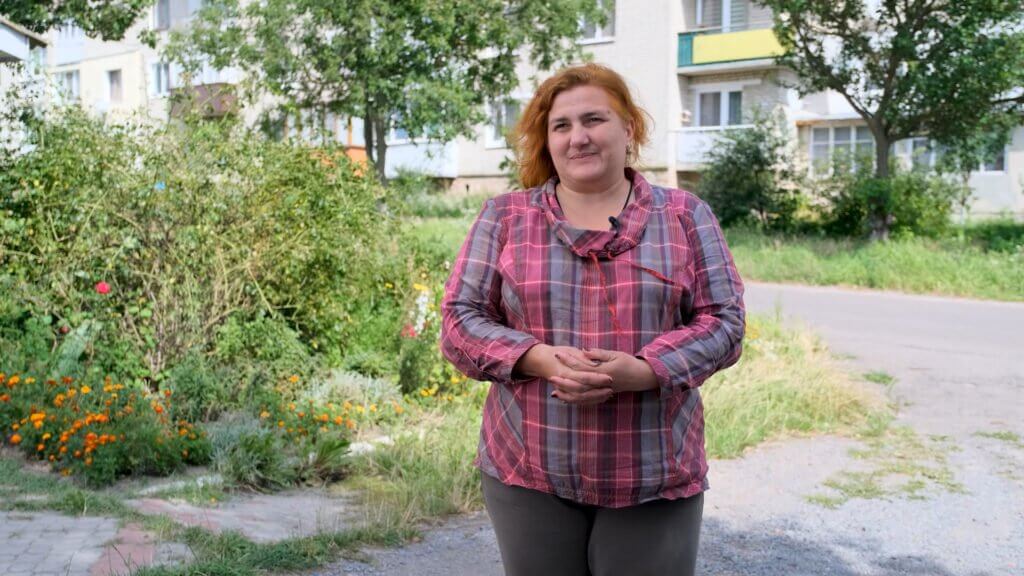
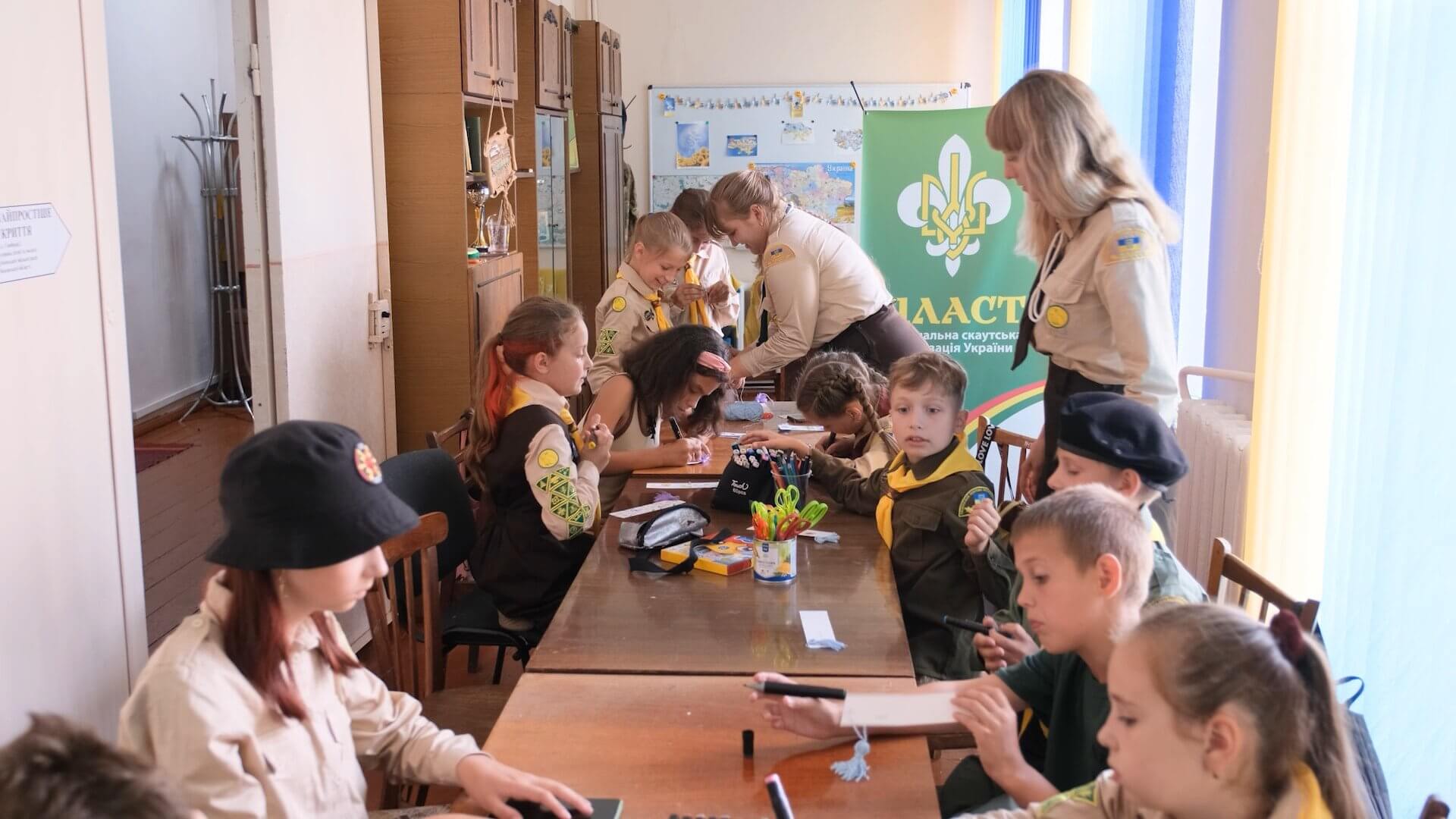
However, displaced persons are not working only for themselves. Thanks to the Sliusar family, Dubno finally has a Plast branch—the national scouting organization of Ukraine.
Their daughter was a Plast member in Kherson, so they decided to continue scouting education in our city.
– My husband and I received support from the Rivne Plast members, who helped us organize and bring this idea to life. Thanks to Mykola (Mandziuk, head of the Dubno Community Foundation), who also supported this idea, we established Plast here,” says Liubov Sliusar. A group of children interested in joining Plast came together, and we formed three scout groups. Today, we are continuing to grow. This summer, our children have already attended Plast camps.
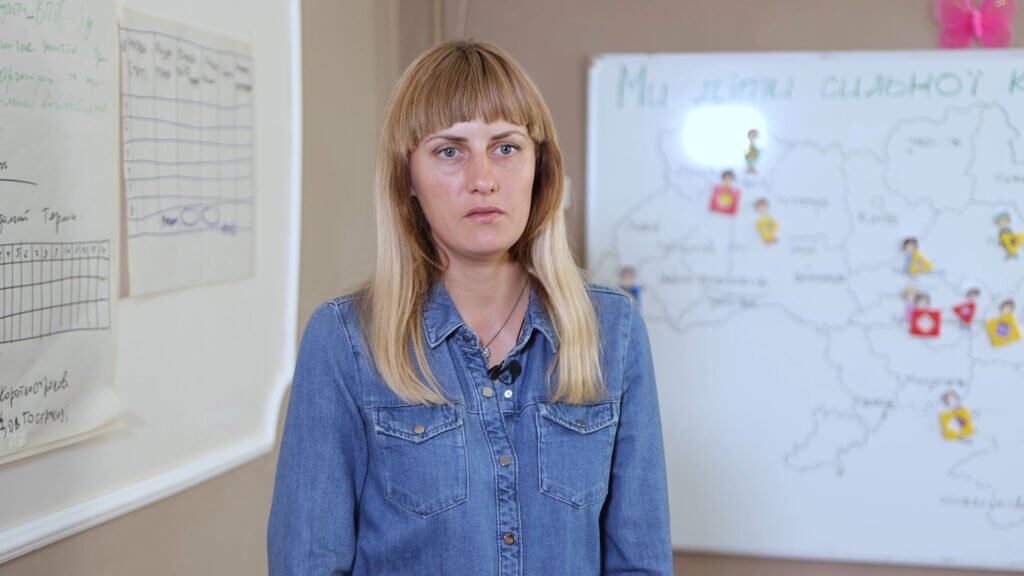
“The children’s approach is unique and fascinating. Their creativity and imagination were simply inspiring.”
In addition to all the above, it is worth mentioning the culinary talents of the new residents of Dubno. Women and children participated in the event “Share Your Bread,” baking for soldiers, defenders, and creating energy bars.
As Mariia Samoilova reports:
– A significant part of our time is spent baking. We bake for the Armed Forces of Ukraine, for the soldiers on the front lines. We bake for fairs held in different communities to raise funds for the Armed Forces. Very often, our community organizes deliveries to hot zones. And we bake special orders for the soldiers on the front lines.
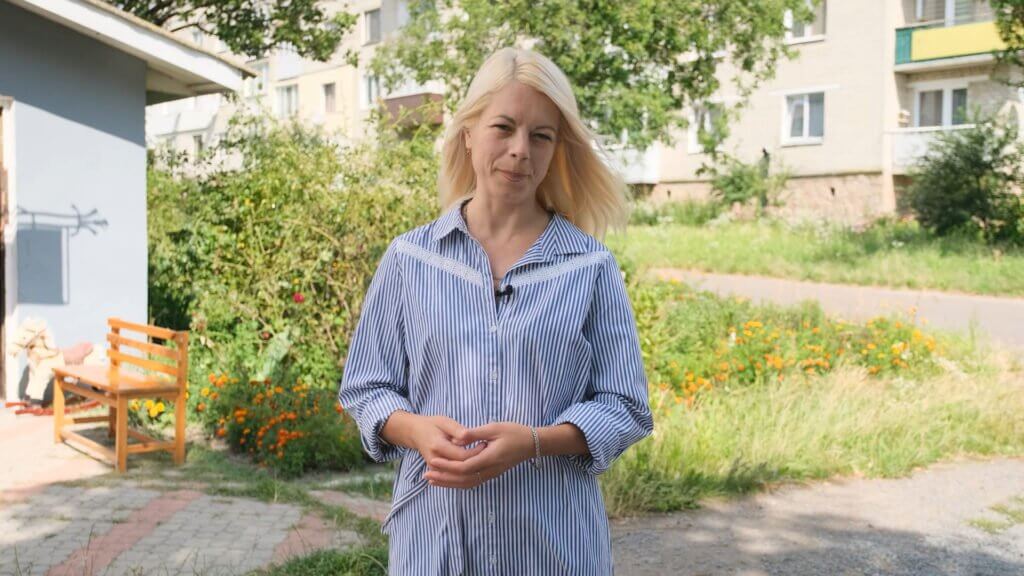
– After getting to know the Dobrobut organization, I joined an interesting project that I really enjoyed—’Sharing Bread.’
– I was given a significant role—I worked in the kitchen. I had never done this on such a large scale before,” shares Olha Bened from the Kherson region. Together with the children, we made gingerbread cookies for the Armed Forces. And what fascinated me the most was the children’s unique and creative approach. At first, they were shy, but then they opened up. Their creativity and imagination were truly inspiring. And I was just as happy as they were when they decorated patriotic hearts and cards for the soldiers at the front. Our children are incredibly creative. I was deeply pleased by our collaboration with them.
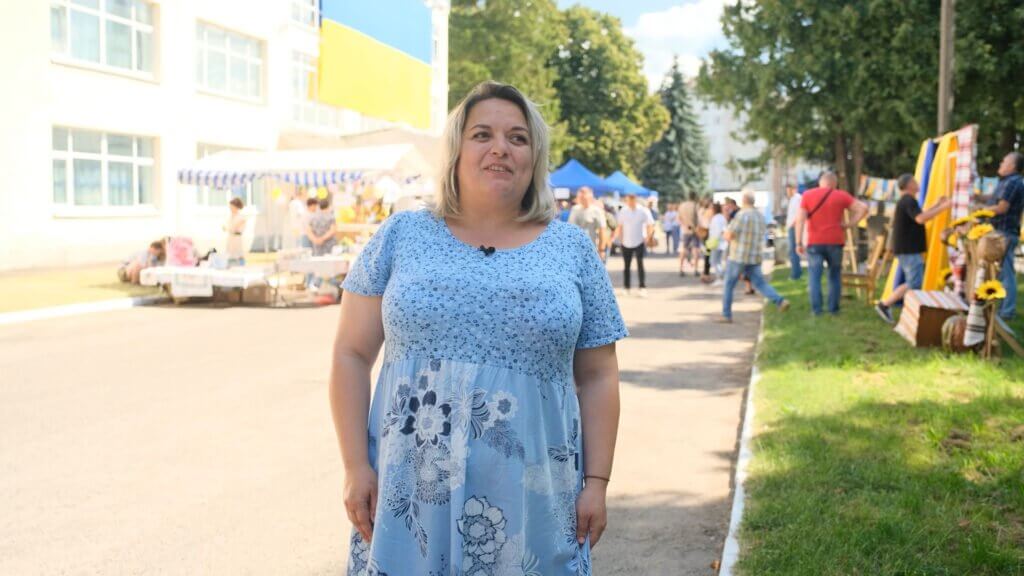
However, many workshops were conducted and coordinated by a woman from Lysychansk, Luhansk region — Liudmyla Minska.
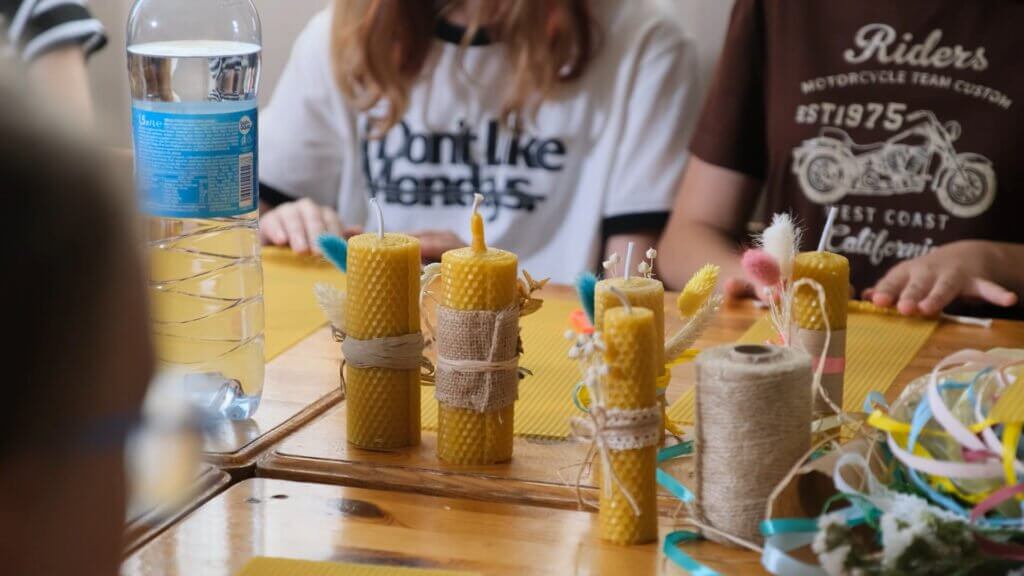
– It all started on St. Nicholas Day, December 19. Then, for New Year’s, we organized a large event with the children. Then we had a project at the social space “Zabava.” Since I am a creative person and was responsible for artistic projects in my hometown, I took the initiative into my own hands and into the hands of the children. We did paper cutting, worked with wax, and used natural materials. If it’s painted, then it’s required that everything be in the pictures. If we painted with coffee, then we also had coffee. If we were making crafts using natural flowers, we went outside to collect them. Afterward, we danced, played games, and engaged in animation activities. The result of this work was the children’s emotions. They were incredible.